Leasing & tenant law · Owners & management · 10/14/2026
No lease renewal from your landlord? You don't have to chase it
Tenant attorney Altagracia Pierre-Outerbridge says sending a renewal on time is the landlord's job, and a missed deadline is a procedural error tenants can use to negotiate. She says Good Cause eviction limits market-rate increases, with some exemptions, and that leases should reference the law or explain why the unit is exempt. Tenants with no renewal become month-to-month.
 Reported by Brick UndergroundRead the original ↗
What happened
Brick Underground published an advice column on October 14, 2026, answering a tenant who asked whether to chase a landlord who had not sent a lease renewal. Tenant attorney Altagracia Pierre-Outerbridge, founder of Outerbridge Law, said sending the renewal is the landlord's job, not the tenant's. If the landlord misses the deadline, she called it a procedural error and said doing nothing can work in the tenant's favor.
The required advance notice depends on how long the tenant has lived in the apartment. It is 30 days for under one year, 60 days for one to two years, and 90 days for two years or more. Pierre-Outerbridge said a missed deadline can give tenants leverage to negotiate if a late renewal arrives with a steep increase.
She also pointed to the Good Cause eviction law, which she said outlawed unreasonable rent hikes in 2024. Per the column, increases for covered market-rate apartments can be no more than 8.38 percent. There are exemptions, and a landlord may justify a larger increase, for example to cover repairs, but the reason must be clear. Leases should reference the Good Cause law or state why the unit is exempt. Landlords may decline to renew only for good reasons, such as nonpayment or lease violations. Rent-stabilized tenants are covered by a rent freeze that the article says remains in effect for now, so their renewals should show a zero percent increase.
If a lease expires with no renewal, the tenant becomes month-to-month. Pierre-Outerbridge advised continuing to pay rent monthly and following the original lease terms. She noted this arrangement lets the tenant leave when they choose.
Key facts
- Source
- Brick Underground, 'Ask Altagracia' column, published October 14, 2026
- Expert
- Altagracia Pierre-Outerbridge, tenant attorney, Outerbridge Law P.C.
- Notice, under 1 year
- 30 days before lease expiration
- Notice, 1 to 2 years
- 60 days before lease expiration
- Notice, 2+ years
- 90 days before lease expiration
- Good Cause rent cap
- No more than 8.38 percent for covered market-rate apartments, with exemptions and possible justified exceptions
- Rent-stabilized renewals
- Zero percent increase while the rent freeze remains in effect
- No renewal sent
- Tenant becomes month-to-month after the lease expires
What it means
Landlords
Track renewal deadlines by tenancy length and send renewals on time, since a late notice can weaken your position on any increase. Make sure leases reference the Good Cause law or state why the unit is exempt, and keep clear documentation for any increase above the cap.
Tenants and voucher holders
You do not have to chase a missing renewal, and a missed deadline can help you negotiate. Check any renewal for Good Cause language. If you are rent-stabilized, check that the increase is zero while the freeze lasts.
Caseworkers
When reviewing a client's renewal, check the notice timing, the Good Cause reference or exemption statement, and the size of the increase. A client whose lease lapsed without a renewal is month-to-month and should keep paying rent under the original terms.
The highlights
- Notice runs 30, 60 or 90 days, based on how long the tenant has lived there.
- Good Cause caps most market-rate increases at 8.38 percent, with exemptions.
- With no renewal, the tenant goes month-to-month and should keep paying rent.
Why it matters Landlords
A late renewal can cost landlords negotiating leverage, and Good Cause limits both rent hikes and refusals to renew.
What to do: Track renewal notice deadlines for every unit and send offers on time.
Not known yet
- What formal penalty, if any, applies to a landlord who sends a renewal late
- Which buildings and landlords are exempt from the Good Cause law
- How long the rent-stabilized rent freeze will last
- How these rules interact with voucher or subsidy recertification timelines
Background
New York tenant protections on renewals come from state law. Rent-stabilized apartments have their own renewal process, with allowable increases normally set each year by the Rent Guidelines Board and oversight by state housing regulators (HCR/DHCR). Market-rate tenants generally rely on the lease terms and state notice rules. Tenants who are unsure whether their unit is covered by a given protection can seek advice from a tenant attorney or a legal services provider.
Summary written by Bulwark from Brick Underground’s reporting. The original story is at brickunderground.com. This is general information, not legal advice.
Related
Follow Bulwark on WhatsApp
Deadline countdowns, rule changes, voucher rents and breaking NYC housing news in your WhatsApp Updates. Free.
Send the message that opens, then save our number. WhatsApp only shows updates from saved contacts.
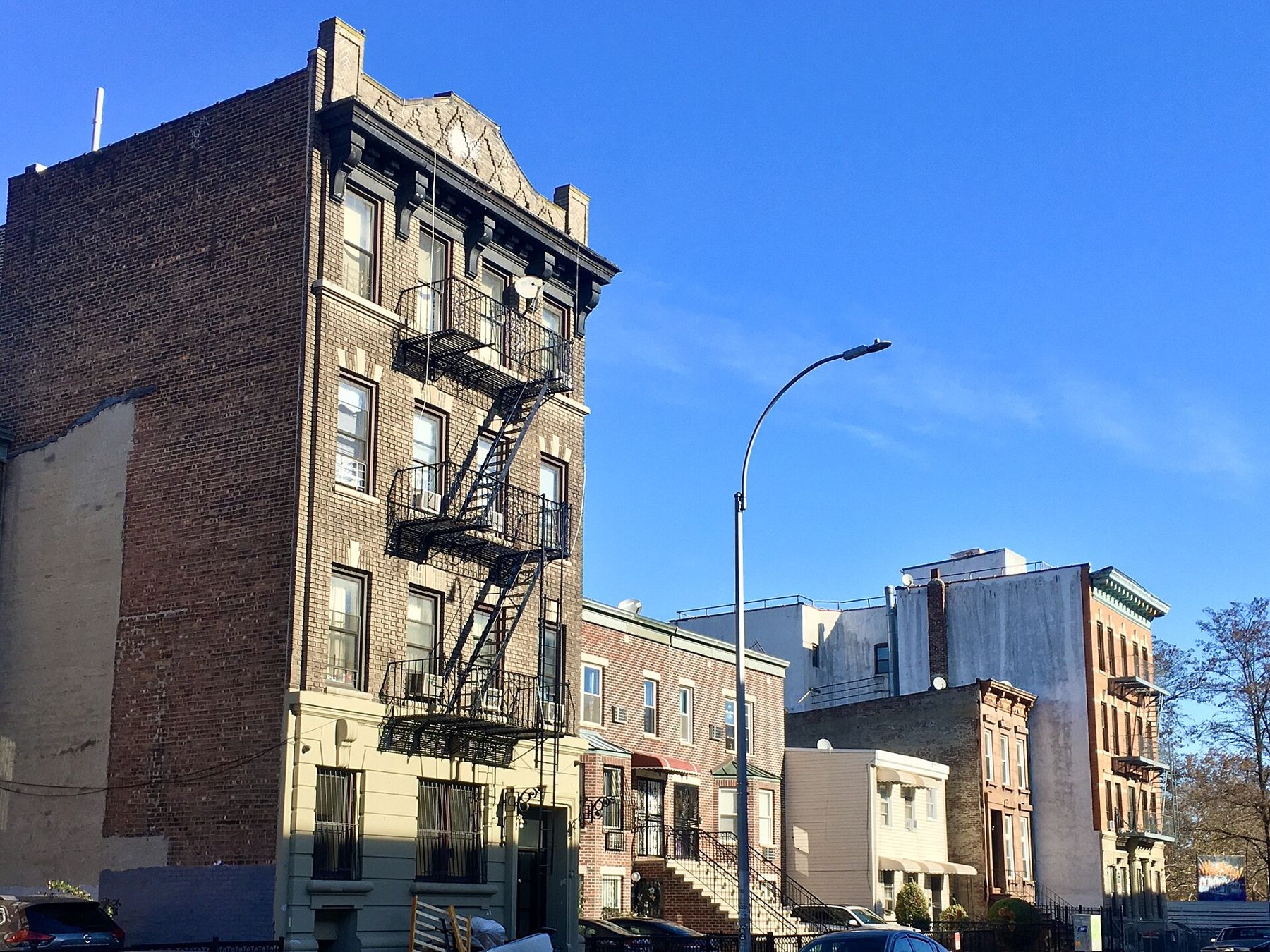
Brooklyn, NY
Questions about what this means for your lease?
We manage and lease buildings across the five boroughs and keep owners on the right side of tenant law.
Photo: Andre Carrotflower, CC BY-SA 4.0