Owners & management · 10/14/2026
Pied-à-terre owners lose 467-a co-op and condo tax abatement
The state's 467-a abatement lowers property taxes for condo and co-op owners, but only on primary residences. Owners hit by the Mamdani administration's pied-à-terre surcharge on non-primary units should not also get the break. The surcharge faces three lawsuits, but an appellate stay lets implementation proceed.
 Reported by The Real Deal · New YorkRead the original ↗

What happened
Some owners of New York City condos and co-ops that are not their primary homes are losing a property tax break, The Real Deal reported on October 14, 2026, citing the Wall Street Journal. The break is the 467-a abatement. It applies only to a unit that is the owner's primary residence. Owners hit by the city's new pied-a-terre surcharge, which targets non-primary homes, should not be getting it.
Under New York State Real Property Tax Law, the 467-a abatement cuts property taxes on eligible condo and co-op units by 17.5 percent to 28.1 percent, depending on the unit's assessed value. It began 30 years ago. Owners must hold the unit as individuals, not through limited liability companies, for example. They cannot own more than three units in the same building.
Special envoy Steve Witkoff is among the owners named. His representatives said he recently repaid the city $78,000 for the period he was ineligible after moving to Florida. Others who received the abatement in recent years include real estate executive Lee Millstein, hedge fund manager Ruben Kliksberg and financier Ronald Olin.
The surcharge applies to one-, two- and three-family homes valued at more than $5 million and to condo and co-op units with assessed values of $1 million or more. Mayor Zohran Mamdani's administration is fighting three lawsuits over it. A lower court ordered the city to nullify its notices and restart the process. An appellate stay lets the rollout and the appeals go forward. The administration extended the deadline to apply for an exemption from the surcharge, and that date has now passed.
Key facts
- Abatement
- 467-a property tax abatement for condo and co-op owners
- Size of break
- 17.5% to 28.1% off property taxes, based on assessed value
- Key rule
- Unit must be the owner's primary residence
- Other rules
- Owners must be individuals, not LLCs, and may own no more than three units in the same building
- Surcharge threshold
- 1-3 family homes over $5 million; condo and co-op units assessed at $1 million or more
- Repayment
- Witkoff's representatives said he repaid the city $78,000
- Litigation
- Three lawsuits; appellate stay allows rollout to continue
- Exemption deadline
- Extended, and has since passed
What it means
Buyers and owners
If you own a condo or co-op unit that is not your primary home, you should not be receiving the 467-a abatement. Owners who moved out may face repayment for the period they were ineligible, as Witkoff's representatives said he did.
Landlords
Small landlords who own condo or co-op units they do not live in should check whether the abatement still appears on their tax bills. The primary residence rule applies regardless of the surcharge.
The highlights
- The 467-a abatement cuts property taxes by 17.5% to 28.1%, based on assessed value.
- Owners must be individuals, not LLCs, and hold no more than three units in a building.
- Steve Witkoff repaid the city $78,000 for time he was ineligible, his reps said.
Why it matters Landlords
Owners holding condo or co-op units as rentals or second homes may have to repay 467-a savings claimed while ineligible.
What to do: Confirm any condo or co-op unit receiving 467-a is still your primary residence.
Not known yet
- How many owners are losing the 467-a abatement
- Whether the city is seeking repayment from other owners, and for how many years back
- How the city is identifying owners who claimed the abatement while ineligible
- How the pending lawsuits could affect owners who lose the abatement
Background
In New York City, property tax exemptions and abatements are generally administered by the Department of Finance and depend on the owner continuing to meet the eligibility rules. When an owner no longer qualifies, for example by moving out of a home that had to be a primary residence, the benefit can be removed and the city can seek back taxes for the period the owner was ineligible. For co-ops, abatements are typically applied to the building's tax bill and passed through to eligible shareholders.
Summary written by Bulwark from The Real Deal · New York’s reporting. The original story is at therealdeal.com. This is general information, not legal advice.
Related
Follow Bulwark on WhatsApp
Deadline countdowns, rule changes, voucher rents and breaking NYC housing news in your WhatsApp Updates. Free.
Send the message that opens, then save our number. WhatsApp only shows updates from saved contacts.
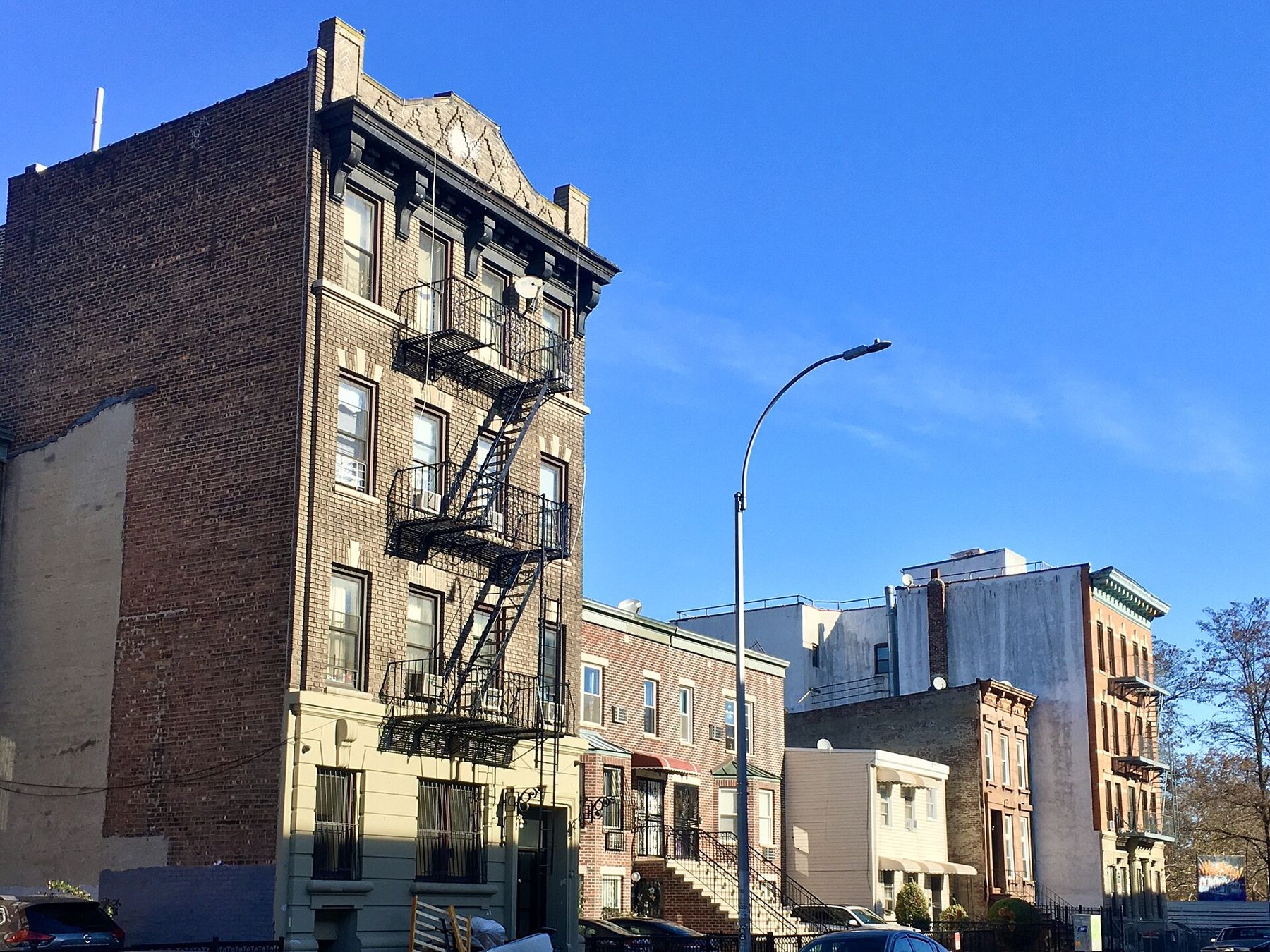
Brooklyn, NY
Want a manager who tracks this for you?
Rent, repairs, filings and deadlines handled, with one clear statement a month.
Photo: Andre Carrotflower, CC BY-SA 4.0