Owners & management · 10/15/2026
Fewer NYC homeowners face pied-à-terre tax as exemptions pile up
The Department of Finance granted more than 6,800 exemptions from the city's second-home surcharge after the application deadline passed this week. Likely fewer than 10,000 owners remain subject to it, below the 13,000 homes behind the state's $500 million annual estimate. Court challenges continue, though an appellate stay lets the rollout move forward.
 Reported by The Real Deal · New YorkRead the original ↗

What happened
Fewer New York City homeowners now face the pied-à-terre tax, the city's new surcharge on second homes. The Real Deal, citing Crain's, reported on Oct. 15, 2026, that the Department of Finance granted more than 6,800 exemptions. That is more than half of the 11,000-plus exemption applications the city received. The deadline to apply passed this week after multiple extensions.
The city first notified more than 17,000 people that they could owe the surcharge. Between exemptions and mistakes the city caught in tax records, nearly 9,000 homeowners have since been spared. The Real Deal said there are likely fewer than 10,000 affected homeowners left. NY1's morning newspaper roundup the same day put the number at fewer than 9,000 homeowners who would pay.
The tax applies to owners of one-, two- and three-family homes valued at $5 million and above, and to owners of condo and co-op units with assessed values of $1 million and up. The amount of each surcharge depends on the home's value. State officials projected $500 million a year based on 13,000 homes being taxed. City Comptroller Mark Levine found that figure reachable with as few as 11,200 taxpayers. The Real Deal said the pool will likely keep shrinking as owners contest their property valuations with the Tax Commission. City Hall still thinks $500 million is on the table.
The tax is also tied up in court. Last month a Staten Island judge ordered the Mamdani administration to scrap its initial rollout and start over. The city appealed, and the appellate court imposed a stay that lets the rollout move forward. Two separate suits challenge the surcharge on constitutional grounds. In one, developer Steve Wynn and former Commerce Secretary Wilbur Ross are seeking to move the case from Suffolk County to New York County.
Key facts
- Agency
- NYC Department of Finance
- Initial notices
- More than 17,000
- Exemption applications
- More than 11,000
- Exemptions granted
- More than 6,800
- Homeowners spared so far
- Nearly 9,000, through exemptions and corrected records
- Who is covered
- 1- to 3-family homes valued at $5 million or more; condo and co-op units with assessed values of $1 million or more
- Revenue projection
- $500 million a year, based on 13,000 homes (state estimate)
- Exemption deadline
- Passed the week of Oct. 15, 2026, after multiple extensions
What it means
Buyers and owners
Owners who got a notice but did not win an exemption may still owe the surcharge. The report says some owners are contesting their property valuations with the Tax Commission, which could take them out of the pool.
Landlords
The surcharge covers only one- to three-family homes valued at $5 million or more and condo or co-op units assessed at $1 million or more. Most small landlords' buildings fall outside those thresholds. Owners near the line should check their valuation.
Tenants and voucher holders
The material does not describe any direct effect on tenants, rents or voucher programs.
The highlights
- Finance granted 6,800+ exemptions out of more than 11,000 applications.
- The city first notified 17,000+ owners. Nearly 9,000 have since been spared.
- Tax hits 1-3 family homes worth $5M+ and condos or co-ops assessed at $1M+.
Why it matters Landlords
The surcharge targets high-value second homes, so most small landlords are unaffected, but the shrinking pool could cut expected city revenue.
What to do: Review any surcharge notice and consider a Tax Commission valuation challenge.
Not known yet
- The exact number of homeowners who will end up paying, since reports differ
- The surcharge rates at each home value level
- When bills are due and when the city expects to collect
- How the appeal and the constitutional lawsuits will be decided
Background
In New York City, the Department of Finance sets the assessed value used to calculate property taxes. Owners who disagree with their assessment can ask the NYC Tax Commission, a separate city agency, to review it. Condo and co-op units are generally assessed by comparing them to rental buildings, so their assessed values are often well below what the units would sell for.
Also drawn from: SAT scores increase in N.Y., and less than 9K homeowners to pay pied-à-terre tax (NY1)
Summary written by Bulwark from The Real Deal · New York’s reporting. The original story is at therealdeal.com. This is general information, not legal advice.
Related
Follow Bulwark on WhatsApp
Deadline countdowns, rule changes, voucher rents and breaking NYC housing news in your WhatsApp Updates. Free.
Send the message that opens, then save our number. WhatsApp only shows updates from saved contacts.
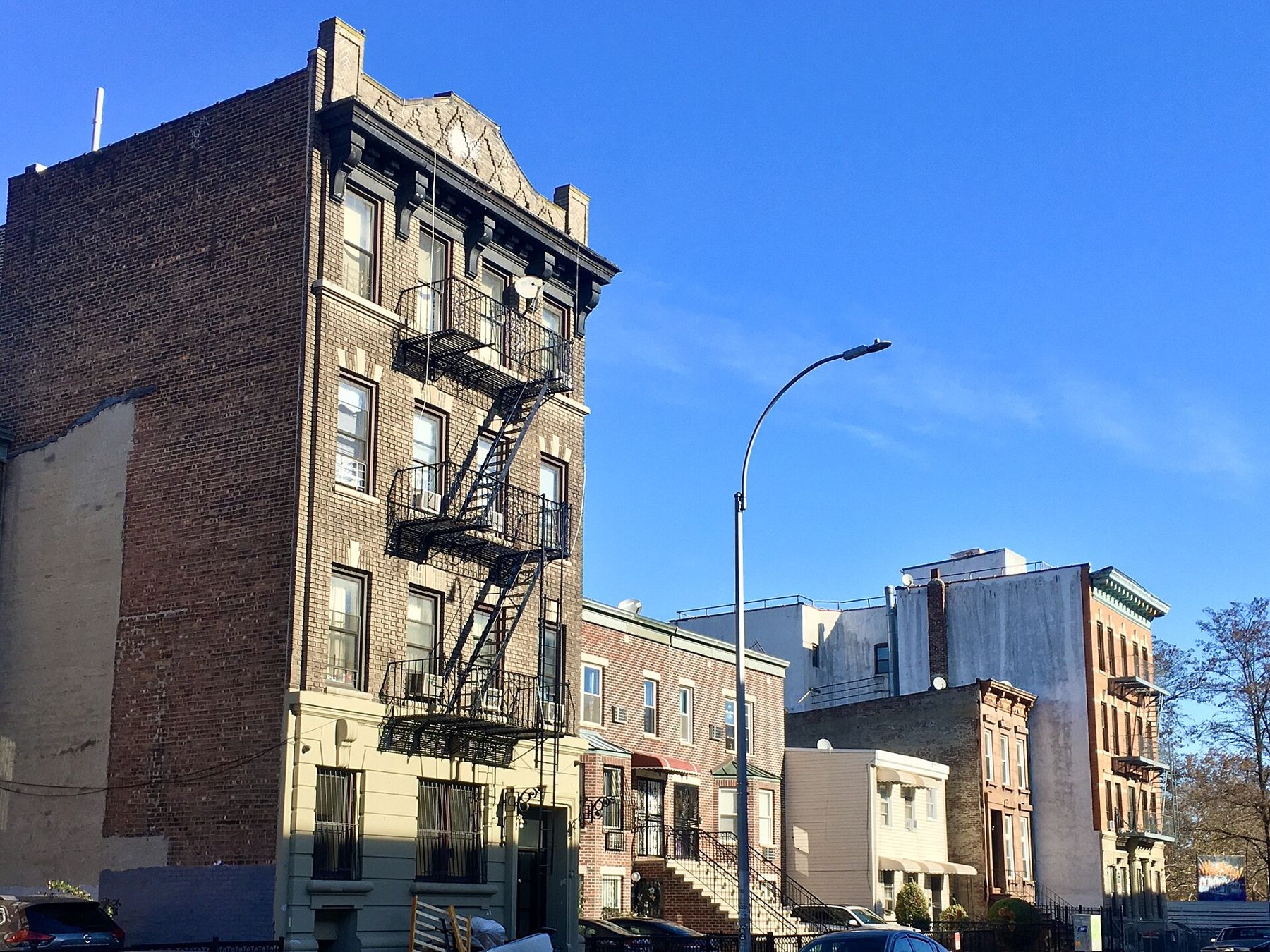
Brooklyn, NY
Want a manager who tracks this for you?
Rent, repairs, filings and deadlines handled, with one clear statement a month.
Photo: Andre Carrotflower, CC BY-SA 4.0