Leasing & tenant law · Owners & management · 10/19/2026
Op-ed: NYCHA Chelsea Holdouts Show the Cost of Slow Housing Court
In a Commercial Observer opinion piece, Ben Tapper of Lee & Associates NYC argues that NYCHA's fight with holdouts at its Chelsea campuses mirrors what private owners face in Housing Court. He says long case times leave units occupied but not producing rent. He urges more judges, clerks and technology, and letting judges serve past the mandatory retirement age of 70.
 Reported by Commercial ObserverRead the original ↗
What happened
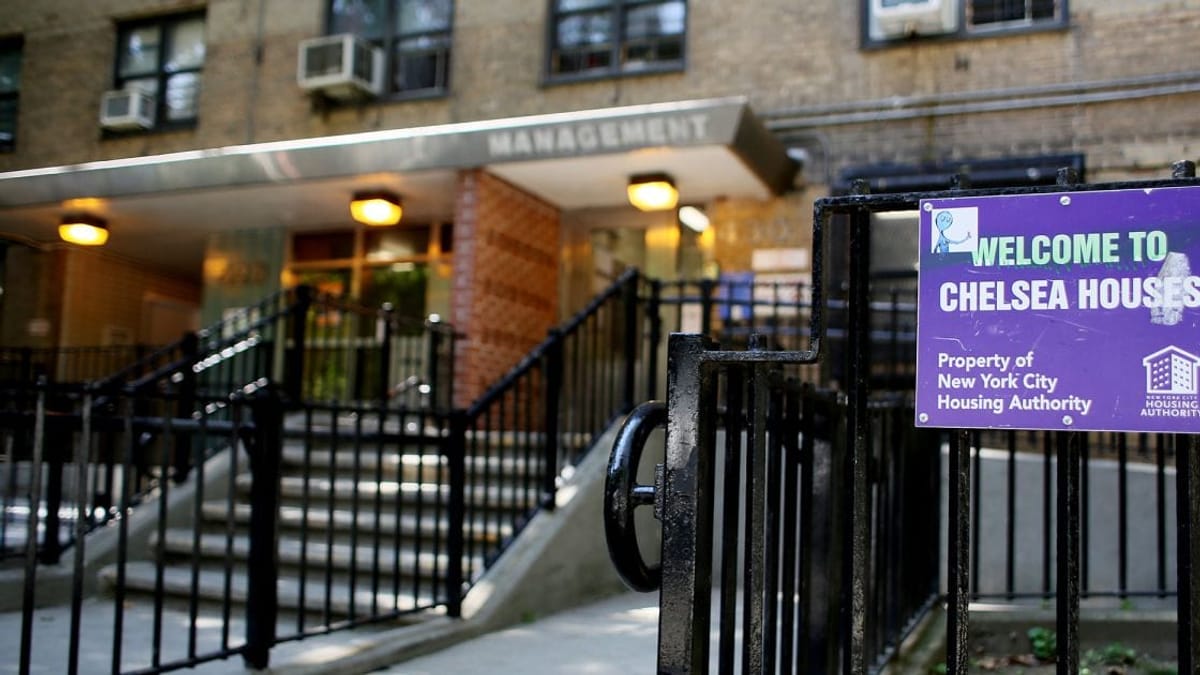
Commercial Observer published an opinion column on October 19, 2026, by Ben Tapper, executive managing director at Lee & Associates NYC. He argues that slow Housing Court cases now affect the city itself, using the NYCHA redevelopment of the Fulton and Elliott-Chelsea campuses in Manhattan as his example.
According to the column, the city wants to replace 2,056 aging apartments at those campuses and add thousands of new homes, using private capital. Residents challenged the plan, and NYCHA is now dealing with residents who will not leave. Tapper says redevelopment requires possession, and that every week of delay carries costs for financing and construction.
The column cites Rent Guidelines Board figures showing owners filed 95,226 nonpayment cases in Housing Court in 2025. It says 50 judges serve all five boroughs, and that industry and legal analyses put the typical case at about 15 months. Tapper estimates that a $2,500-a-month apartment tied up for 15 months loses $37,500 in rent. He says 15,000 such apartments, which he describes as 15 percent of Housing Court cases, would add up to over $562 million.
Tapper notes that the city has announced a five-year, $22 billion affordable-housing investment. He says the city is trying to speed up Housing Court cases involving dangerous conditions and vacate orders, but not nonpayment cases. He calls for keeping Housing Court judges past the mandatory retirement age of 70, which would need a state constitutional amendment, and for adding judges, attorneys, clerks and technology.
Key facts
- Type of article
- Opinion column by Ben Tapper, Lee & Associates NYC, in Commercial Observer
- Date
- October 19, 2026
- Project
- NYCHA Fulton and Elliott-Chelsea campuses, Manhattan
- Units to be replaced
- 2,056 apartments, plus thousands of new homes planned
- Nonpayment filings, 2025
- 95,226 cases, per the Rent Guidelines Board
- Housing Court judges
- 50 judges for all five boroughs
- Typical case length
- About 15 months, per industry and legal analyses cited in the column
- City housing investment
- Five-year, $22 billion affordable-housing plan
What it means
Landlords
The column says the city's fast-track effort covers dangerous conditions and vacate orders, not nonpayment cases. Owners in nonpayment cases should plan for long timelines and carrying costs, which the column puts at about 15 months.
Tenants and voucher holders
The column notes that tenants waiting on heat, repairs or a ruling can also wait months. Cases about dangerous conditions are the ones the city is trying to move faster.
Caseworkers
Clients in nonpayment cases may face long cases, since the fast-track effort described does not cover them. Timelines for urgent condition cases may shorten if the city's initiative takes hold.
The highlights
- NYCHA plans to replace 2,056 apartments at Fulton and Elliott-Chelsea.
- Owners filed 95,226 nonpayment cases in 2025, per the Rent Guidelines Board.
- Housing Court has 50 judges citywide, and cases are cited at about 15 months.
Why it matters Landlords
Long Housing Court timelines mean months of taxes, insurance and mortgage costs without rent, and the city fast-track excludes nonpayment cases.
What to do: Plan for long Housing Court timelines when budgeting for nonpayment or holdover cases.
Not known yet
- How many NYCHA residents at Fulton and Elliott-Chelsea are holding out, and the status of any court cases
- When the city's fast-track effort for urgent Housing Court cases starts and how it will work
- Whether the state will move on a constitutional amendment on judges' retirement age
- Which analyses produced the 15-month figure and whether it applies to all case types
Background
Housing Court in New York City is part of the state court system, not a city agency. It hears nonpayment cases, where an owner seeks unpaid rent, and holdover cases, where an owner seeks possession for other reasons. Tenants can also bring HP proceedings to ask the court to order repairs, and HPD can be involved in those cases. Possession of an apartment generally requires a court judgment and a warrant carried out by a city marshal.
Summary written by Bulwark from Commercial Observer’s reporting. The original story is at commercialobserver.com. This is general information, not legal advice.
Related
Follow Bulwark on WhatsApp
Deadline countdowns, rule changes, voucher rents and breaking NYC housing news in your WhatsApp Updates. Free.
Send the message that opens, then save our number. WhatsApp only shows updates from saved contacts.
Brooklyn, NY
Questions about what this means for your lease?
We manage and lease buildings across the five boroughs and keep owners on the right side of tenant law.
Photo: Andre Carrotflower, CC BY-SA 4.0