Leasing & tenant law · 10/22/2026
NYC right to counsel tied to fewer ER visits in highest-risk areas
UCLA Health researchers studied NYC's tenant right-to-counsel program, which funds free lawyers for low-income tenants facing eviction. Looking at Medicaid-insured and uninsured residents, they found no overall link to ED visits, but a significant drop in the first 10 ZIP codes, chosen for high eviction risk. The study is in the Journal of General Internal Medicine.
PReported by Phys.orgRead the original ↗
What happened
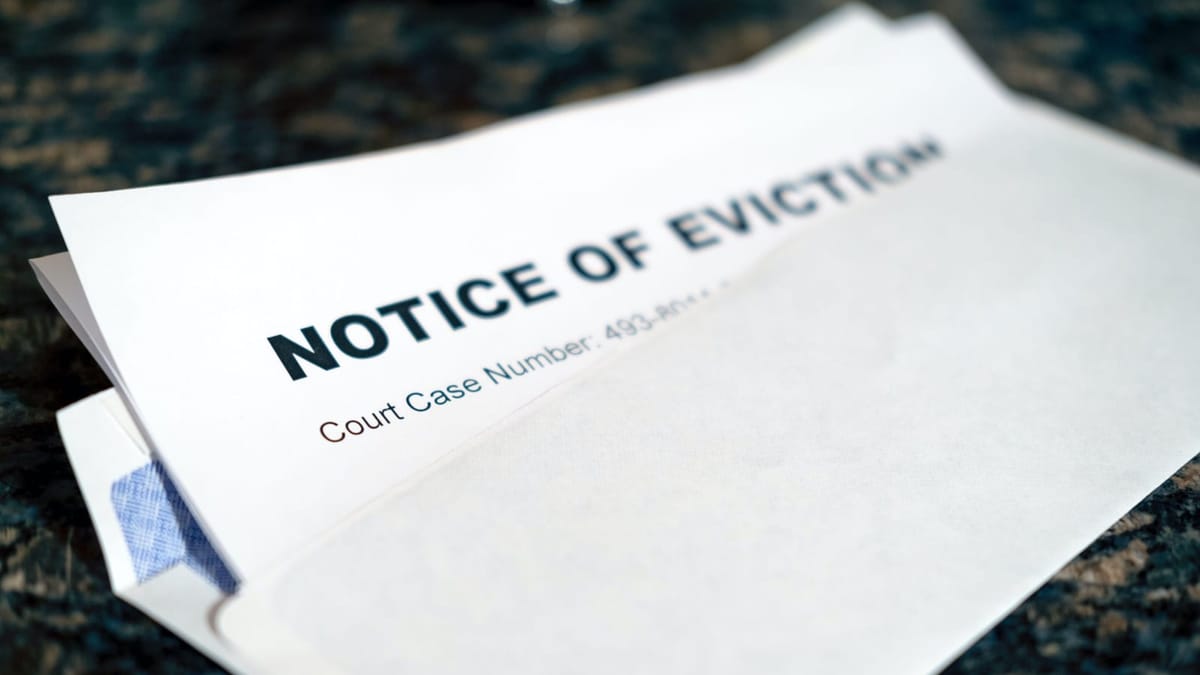
A UCLA Health study published in the Journal of General Internal Medicine looked at whether New York City's tenant right-to-counsel program, which provides free lawyers to low-income tenants facing eviction, was linked to emergency department (ED) use. Researchers analyzed more than 8 million ED visits from January 2016 through February 2020. They limited the data to New York City residents who were uninsured or on Medicaid. The City reported this was because those groups were more likely to overlap with tenants who qualify for the program.
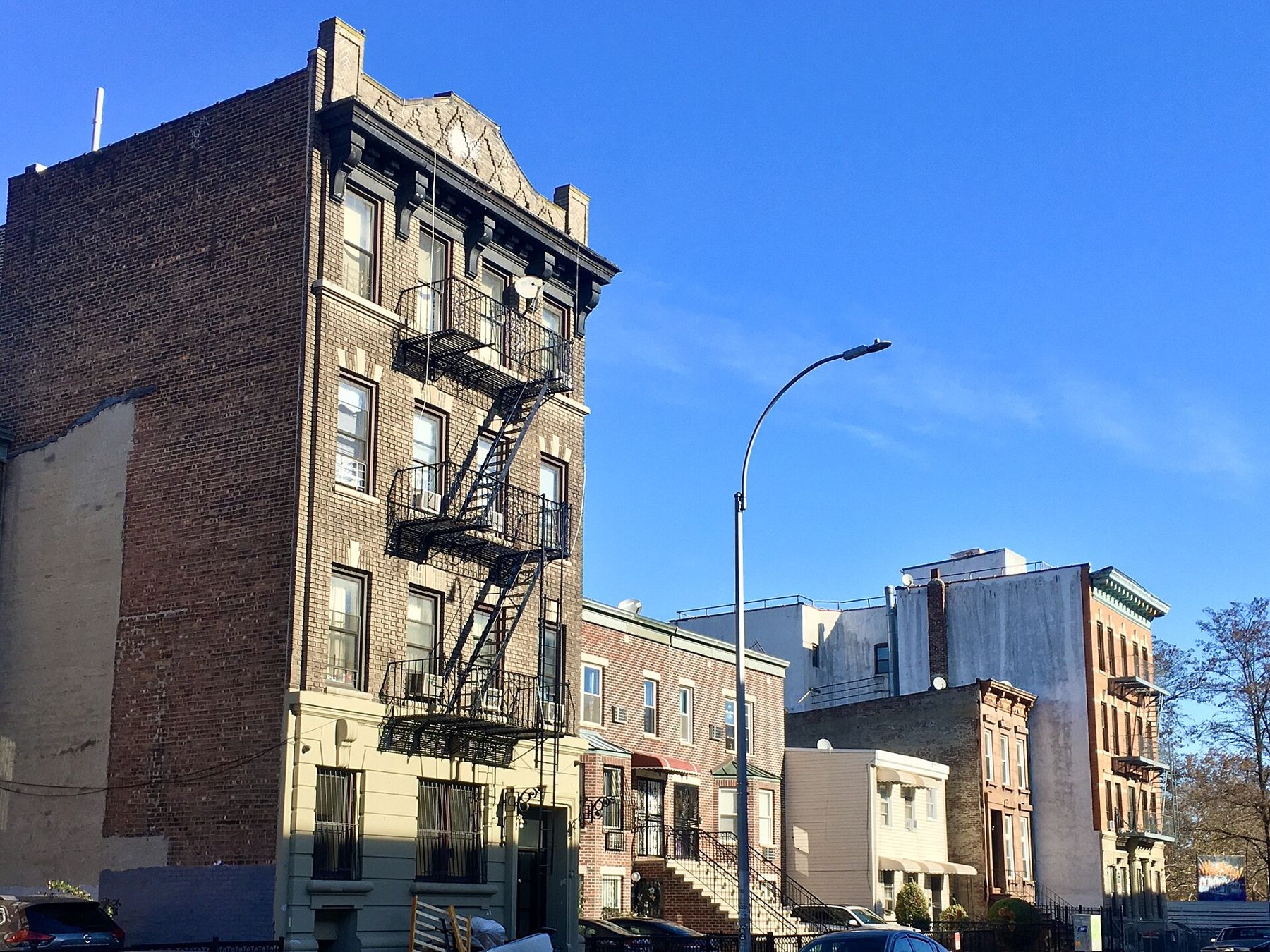
Overall, the study found no clear link between the program and ED visit rates, with only a slight estimated drop across all covered ZIP codes. In the first 10 ZIP codes, chosen for especially high eviction risk, the program was associated with more than 26 fewer ED visits per 10,000 residents, which the researchers called a significant reduction. ED visit rates stayed about the same in ZIP codes added in the second and third phases. The City reported that the first 10 ZIP codes included Crown Heights and Bedford-Stuyvesant in Brooklyn, parts of Staten Island's North Shore, Harlem, and Tremont and Kingsbridge in the Bronx.
The study also found an unexpected rise in ED visits tied to mental health and substance use disorders in ZIP codes where the program was in place. Lead author Dr. Katherine L. Chen of UCLA's David Geffen School of Medicine said possible reasons include lawyers encouraging people to seek care for undertreated conditions, or legal proceedings adding short-term stress. She said the finding needs more research. The City reported that Chen called the program a leading possible explanation for the drop, not a proven cause.
Sources differ on the program's start. Phys.org said it was introduced in 2017. The City said it launched as a pilot in 2016, expanded about five ZIP codes at a time over roughly three years, and went citywide in March 2020, two years ahead of schedule, largely because of COVID. The study period ended before that citywide expansion.
Key facts
- Journal
- Journal of General Internal Medicine (2026)
- Researchers
- UCLA Health; lead author Dr. Katherine L. Chen
- Data
- More than 8 million ED visits, January 2016 through February 2020
- Population studied
- Uninsured and Medicaid-insured NYC residents
- Key finding
- More than 26 fewer ED visits per 10,000 residents in the first 10 high-risk ZIP codes
- Later phases
- No meaningful change in ED visit rates in phase two or three ZIP codes
- Unexpected finding
- Mental health and substance use ED visits rose where the program was implemented
- Citywide expansion
- March 2020, two years ahead of schedule (The City)
What it means
Landlords
The study does not change any rules for eviction cases. It is a reminder that low-income tenants in Housing Court may be represented by free lawyers through the city program.
Tenants and voucher holders
Low-income tenants facing eviction can get free legal representation through the city's right-to-counsel program. The study suggests the program may bring health benefits in the highest-risk neighborhoods, though it does not prove cause.
Caseworkers
The rise in mental health and substance use ED visits suggests eviction cases may be a stressful period. Checking whether clients in Housing Court need health or behavioral health support may be useful.
The highlights
- First-phase ZIP codes saw over 26 fewer ED visits per 10,000 residents.
- Mental health and substance use ED visits rose where the program launched.
- UCLA team reviewed over 8 million ED visits from Jan 2016 to Feb 2020.
Why it matters Caseworkers
Free eviction counsel may help protect tenant health as well as housing, especially in the neighborhoods with the highest eviction risk.
What to do: Refer clients facing eviction to free right-to-counsel legal help early.
Not known yet
- Why mental health and substance use ED visits rose, and by how much
- How the program affected the health of tenants who actually received an eviction filing
- Whether the ED drop seen in the first ZIP codes held after the citywide expansion in 2020
- Why later-phase ZIP codes showed no change
Background
In New York City, eviction cases are heard in Housing Court, usually as nonpayment cases for unpaid rent or holdover cases for other reasons. Under the city's right-to-counsel law, income-eligible tenants facing eviction can be assigned a free lawyer from a nonprofit legal services provider that contracts with the city. Tenants who do not qualify on income may still get brief legal advice. Having a lawyer can affect how a case is negotiated or litigated, but landlords keep the same legal rights to bring a case.
Also drawn from: ER Visits Dropped Where NYC Provided Free Eviction Lawyers, New Research Shows (The City) · NYC Tenant Legal Aid Linked to Fewer ER Visits in High-Risk Areas (Mirage News)
Summary written by Bulwark from Phys.org’s reporting. The original story is at phys.org. This is general information, not legal advice.
Related
Follow Bulwark on WhatsApp
Deadline countdowns, rule changes, voucher rents and breaking NYC housing news in your WhatsApp Updates. Free.
Send the message that opens, then save our number. WhatsApp only shows updates from saved contacts.
Brooklyn, NY
Questions about what this means for your lease?
We manage and lease buildings across the five boroughs and keep owners on the right side of tenant law.
Photo: Andre Carrotflower, CC BY-SA 4.0