Leasing & tenant law · Owners & management · Deals & development · 10/23/2026
City Council Passes COPA, Giving Nonprofits First Shot at Some Buildings
The City Council passed the Community Opportunity to Purchase Act, sponsored by Council Member Sandy Nurse. Owners of covered residential buildings would have to notify the city and qualified nonprofits before selling and give them a chance to buy. Mayor Eric Adams vetoed an earlier version, and small-landlord groups say the bill could lower property values.
 Reported by PatchRead the original ↗

What happened
The New York City Council on Thursday approved the Community Opportunity to Purchase Act, known as COPA, Patch reported on Oct. 23, 2026. The bill, sponsored by Council Member Sandy Nurse, would require owners of certain residential properties to give qualified nonprofit organizations a chance to pursue a purchase before selling to other buyers.
Under the bill, owners of covered properties must notify the city and qualified organizations when they intend to sell. Eligible nonprofits and qualifying partnerships would have 20 days to submit a statement of interest and 70 days to make an initial offer. If the owner receives an offer from another buyer, a qualified nonprofit could match that offer and buy the property on the same terms. Owners could seek an exemption by showing undue financial hardship. The Department of Housing Preservation and Development (HPD) would oversee the program and issue periodic reports.
Mayor Eric Adams vetoed an earlier version of the legislation, citing concerns about its potential impact on property owners and the housing market. "After six years, multiple Mayors, and a veto, we finally passed COPA," Nurse said.
Supporters say the measure could protect affordable housing. It would not automatically create new affordable apartments or require every nonprofit-purchased building to charge below-market rents. Its effect would depend on whether nonprofits can secure financing, complete purchases and keep rents affordable over time. Small Property Owners of New York opposed the bill. Board president Ann Korchak said, "COPA, in any form, is a destructive housing policy for renters, owners, and affordable housing." She argued it could reduce property values for small landlords and give qualified nonprofits an advantage over other buyers.
Key facts
- Bill
- Community Opportunity to Purchase Act (COPA)
- Sponsor
- Council Member Sandy Nurse
- Action
- Approved by the City Council on Thursday, reported by Patch on Oct. 23, 2026
- Statement of interest deadline
- 20 days for qualified organizations
- Initial offer deadline
- 70 days for qualified organizations
- Right to match
- A qualified nonprofit could match another buyer's offer and purchase on the same terms
- Exemption
- Owners may seek an exemption by demonstrating undue financial hardship
- Agency
- HPD would oversee the program and issue periodic reports
What it means
Landlords
Owners of covered properties would have to notify the city and qualified organizations before selling, and nonprofits would get up to 20 days to express interest and 70 days to make an offer. Owners who face undue financial hardship could apply for an exemption.
Buyers and owners
Conventional buyers could see a deal matched by a qualified nonprofit on the same terms. Small landlord groups argue this could lower property values and limit who owners can sell to.
Tenants and voucher holders
A sale to a nonprofit would not automatically mean lower rents or new affordable apartments. Any long-term affordability would depend on the nonprofit's financing, management and ownership over time.
The highlights
- Nonprofits get 20 days to state interest and 70 days to make an initial offer.
- A qualified nonprofit could match an outside buyer's offer on the same terms.
- Owners could seek exemptions for undue financial hardship. HPD would oversee it.
Why it matters Landlords
Owners selling covered buildings could face notice rules, waiting periods and a nonprofit right to match outside offers.
What to do: Ask your attorney or broker how COPA could affect any planned building sale.
Not known yet
- Which properties count as covered properties under the bill
- Whether the current mayor will sign the bill and when it would take effect
- What qualifies an organization or partnership as eligible
- How HPD will judge undue financial hardship exemptions
Background
In New York City, a bill passed by the City Council generally goes to the mayor, who can sign it or veto it. The Council can override a veto with a two-thirds vote. Once a law is in place, the assigned city agency, often HPD for housing programs, typically writes rules that spell out how the law works in practice, including definitions, procedures and deadlines.
Summary written by Bulwark from Patch’s reporting. The original story is at patch.com. This is general information, not legal advice.
Related
Follow Bulwark on WhatsApp
Deadline countdowns, rule changes, voucher rents and breaking NYC housing news in your WhatsApp Updates. Free.
Send the message that opens, then save our number. WhatsApp only shows updates from saved contacts.
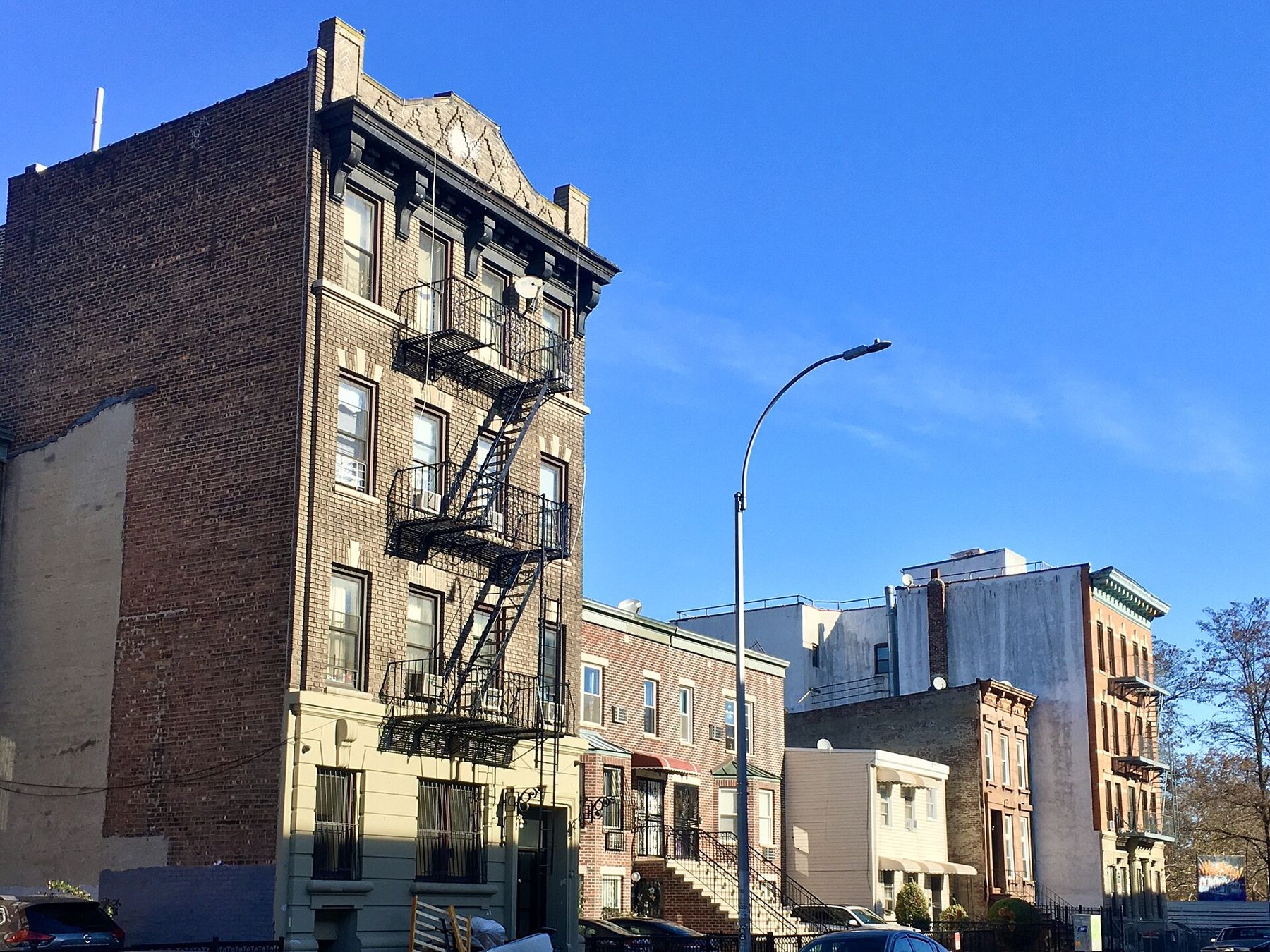
Brooklyn, NY
Questions about what this means for your lease?
We manage and lease buildings across the five boroughs and keep owners on the right side of tenant law.
Photo: Andre Carrotflower, CC BY-SA 4.0