Owners & management · 10/23/2026
City workshop helps Riverdale co-ops plan for Local Law 97 upgrades
The Mayor's Office of Climate and Environmental Justice held a workshop for about 20 Riverdale co-op residents and board members on Local Law 97. It promoted NYC Accelerator, which links owners with financing and vetted contractors, and a step-by-step decarbonization plan. Speakers urged boards to time upgrades to trigger events like equipment replacement or refinancing.
RPublished by The Riverdale PressRead the original ↗
What happened
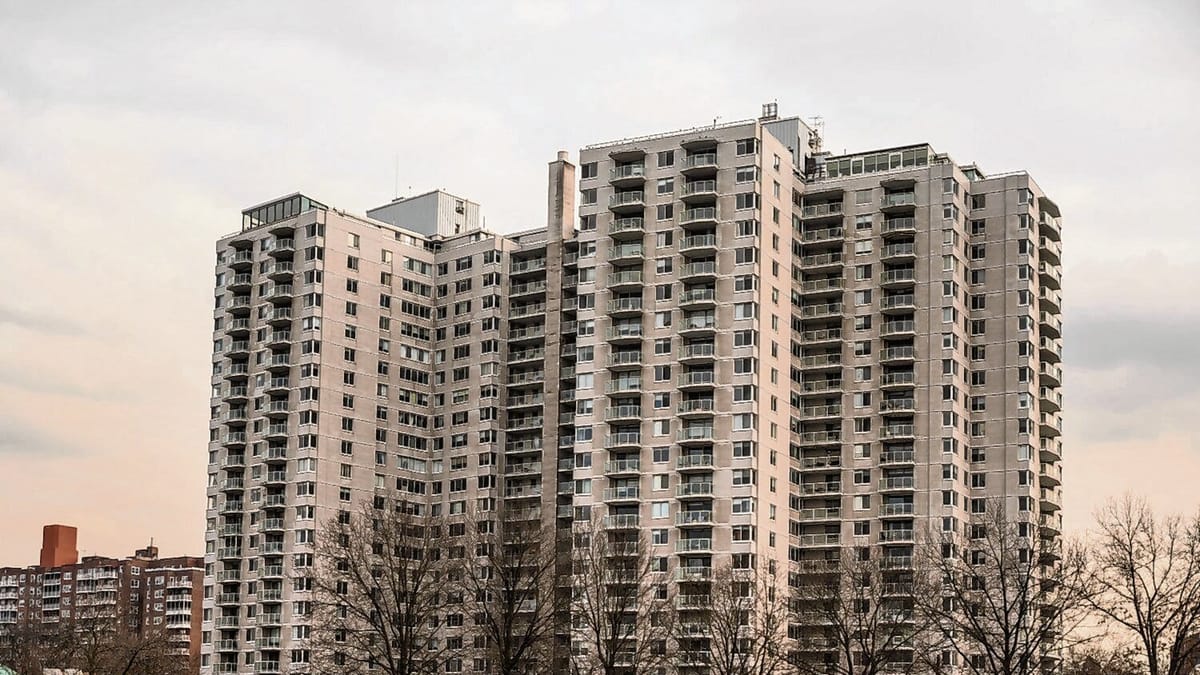
On Oct. 13, city representatives held a workshop at the Whitehall, a luxury co-op at 3333 Henry Hudson Parkway in Riverdale, according to The Riverdale Press. About 20 residents and board members from several buildings attended. The session covered city help for meeting Local Law 97, the 2019 law that sets greenhouse gas emissions limits for most larger buildings.
The workshop, called "Cutting Carbon in Co-ops and Condos," is run by the Mayor's Office of Climate and Environmental Justice with the nonprofit Building Energy Exchange and the Council of New York Cooperatives and Condominiums. It is part of NYC Accelerator, a program launched in April that connects building owners with financing options and vetted contractors. The workshop helps buildings write a long-term decarbonization plan. Chief Climate Officer Louise Yeung said the city heard concerns about changing board members, long project timelines, capital planning and not knowing where to start.
In rental buildings, costly upgrades are usually handled by the landlord. In co-ops, the costs fall on shareholders through higher maintenance or assessments. Building Energy Exchange CEO Richard Yancey said planning, financing and permitting can take years. He said a plan helps boards use "trigger events," like equipment near the end of its life or an upcoming refinancing. Whitehall board president Jeffrey Moerdler said a leaking garage roof under the pool deck led the building to remove cabanas and build a green roof on an almost 30,000-square-foot deck.
Local Law 97 runs in five-year periods with stricter caps each time. The first period is 2024 to 2029, with annual compliance reports starting in 2025, according to the Department of Buildings. DOB data released last month showed City Council District 11 had a 96% compliance rate, 1% above the citywide average.
Key facts
- Workshop date
- Oct. 13
- Location
- The Whitehall, 3333 Henry Hudson Parkway, Riverdale
- Attendance
- About 20 residents and board members
- Organizers
- Mayor's Office of Climate and Environmental Justice, Building Energy Exchange, Council of New York Cooperatives and Condominiums
- Program
- NYC Accelerator, launched in April; offers financing options and vetted contractors
- Law
- Local Law 97, created in 2019
- Compliance period
- First period 2024 to 2029; annual reports starting in 2025
- District 11 compliance
- 96%, 1% above the citywide average (DOB data)
What it means
Buyers and owners
Co-op shareholders pay for Local Law 97 upgrades through maintenance fees or assessments. Boards can use the city workshop and NYC Accelerator to build a long-term plan instead of reacting to breakdowns.
Landlords
Owners of covered buildings can use NYC Accelerator for financing leads and vetted contractors. Planning upgrades around equipment replacement or refinancing may help spread costs over time.
The highlights
- Workshop held Oct. 13 at the Whitehall, 3333 Henry Hudson Parkway.
- DOB data: Council District 11 hit 96% LL97 compliance, 1% above citywide.
- First LL97 compliance period runs 2024 to 2029, with annual reports from 2025.
Why it matters Landlords
Co-op shareholders pay LL97 upgrade costs through maintenance or assessments, so early planning and city help can limit surprise bills.
What to do: Check NYC Accelerator for LL97 planning, financing and contractor help.
Not known yet
- Which specific financing options NYC Accelerator offers and on what terms
- Whether more of these workshops are scheduled, and where
- What the Whitehall green roof cost and how it was paid for
- How buildings outside co-op-dense areas can get the same planning help
Background
Local Law 97 is administered by the NYC Department of Buildings. Covered buildings must report their emissions to DOB, and buildings that exceed their limits can face penalties. Limits tighten in later compliance periods, so many owners plan major work such as boiler, roof or window replacements in stages. In co-ops, the board decides on capital projects and how costs are passed to shareholders.
Summary written by Bulwark from the The Riverdale Press’s announcement. The original story is at riverdalepress.com. This is general information, not legal advice.
Related
Follow Bulwark on WhatsApp
Deadline countdowns, rule changes, voucher rents and breaking NYC housing news in your WhatsApp Updates. Free.
Send the message that opens, then save our number. WhatsApp only shows updates from saved contacts.
Brooklyn, NY
Want a manager who tracks this for you?
Rent, repairs, filings and deadlines handled, with one clear statement a month.
Photo: Andre Carrotflower, CC BY-SA 4.0