Owners & management · Deals & development · 10/23/2026
NYC Pied-à-Terre Surcharge Shifts How Buyers Value Property
New York City's new pied-à-terre surcharge adds a yearly cost to some second-home condos and co-ops, billed on Department of Finance value. A one-year arm's-length lease to a primary resident can qualify for an exemption. Lawsuits challenge the charge. A Compass broker argues rental walk-ups and commercial condos may draw more buyers.
 Reported by Commercial ObserverRead the original ↗

What happened
New York City has a new pied-à-terre surcharge, an extra annual charge on certain residential properties. An opinion piece in Commercial Observer by Trystan Polsinelli, senior executive director at Compass Commercial, published October 23, 2026, looks at how it may change what buyers pay and which properties they choose.
According to the piece, the measure was projected to bring in around $500 million a year for the city. Mayor Zohran Mamdani called it a tax when he announced its rollout over the summer, but the law calls it a surcharge. For the 2026-27 and 2027-28 tax years, affected residential condos and co-ops face rates of 4 percent to 6.5 percent of the Department of Finance value. That is the city's valuation, not necessarily the purchase price. Some second-home owners may also lose a co-op or condo tax abatement.
The surcharge is being challenged in court. One set of lawsuits asks whether its revenue can be excluded from the city's constitutional real estate tax limit. Separate litigation challenges how the city identified properties that may owe it.
The piece says commercial office and retail condos and ordinary Class 2 rental buildings are outside the surcharge. Some smaller mixed-use buildings fall into Class 1 and need individual review. Under the city's final rules, the surcharge, penalties and interest are a lien on the property, so a sale does not erase them. For co-ops, the charge for one apartment is billed through the co-op corporation, not directly to that shareholder. A property tax exemption held by a nonprofit may not protect it from the surcharge.
Key facts
- Rates
- 4% to 6.5% of the Department of Finance value for affected residential condos and co-ops
- Tax years
- 2026-27 and 2027-28
- Projected revenue
- Around $500 million a year
- Status date
- Property use on Jan. 5 determines whether the surcharge applies
- Lease exemption
- A qualifying tenant using the unit as a primary residence on the taxable status date, under a bona fide arm's-length lease of at least one year, can qualify it for an exemption
- Lien
- Surcharge, penalties and interest are a lien on the property under the city's final rules
- Not covered
- Commercial office and retail condos and ordinary Class 2 rental buildings
- Agency
- Department of Finance sets the value used for the charge
What it means
Landlords
Ordinary Class 2 rental buildings are outside the surcharge, but some smaller Class 1 mixed-use buildings need individual review. Apartments above a storefront do not settle the question on their own.
Buyers and owners
The charge is a lien that stays with the property after a sale, and a buyer's plan to move in or rent out does not erase a surcharge based on the property's status on Jan. 5. The contract should say who pays any existing charge, and co-op owners should know that a neighbor's unpaid bill is billed through the building.
Tenants and voucher holders
Under the rules described, an owner of an affected unit can qualify for an exemption by renting it to a tenant who lives there as a primary residence under an arm's-length lease of at least one year. The material does not say how this will affect rents or vacancies.
The highlights
- Affected condos and co-ops face 4% to 6.5% of DOF value in 2026-27 and 2027-28.
- The surcharge, penalties and interest are a lien, so a sale does not erase them.
- Ordinary Class 2 rental buildings and commercial condos fall outside the surcharge.
Why it matters Landlords
Rental buildings sit outside the charge, which may draw buyers, and leasing to a qualifying tenant can exempt a unit.
What to do: Check a property's use on Jan. 5 and set who pays any surcharge in the contract.
Not known yet
- How many properties the city has identified as subject to the surcharge
- When the court cases over the tax limit and property identification will be decided
- When bills are due and what penalties and interest apply
- Which specific Class 1 mixed-use buildings are covered
Background
The NYC Department of Finance assesses property and sorts it into tax classes. Class 1 generally covers one- to three-family homes and some small mixed-use buildings. Class 2 covers other residential property, including rental buildings, co-ops and condos. The city's taxable status date each year is January 5, and a property's use and ownership on that date generally determine its tax treatment for the coming tax year.
Summary written by Bulwark from Commercial Observer’s reporting. The original story is at commercialobserver.com. This is general information, not legal advice.
Related
Follow Bulwark on WhatsApp
Deadline countdowns, rule changes, voucher rents and breaking NYC housing news in your WhatsApp Updates. Free.
Send the message that opens, then save our number. WhatsApp only shows updates from saved contacts.
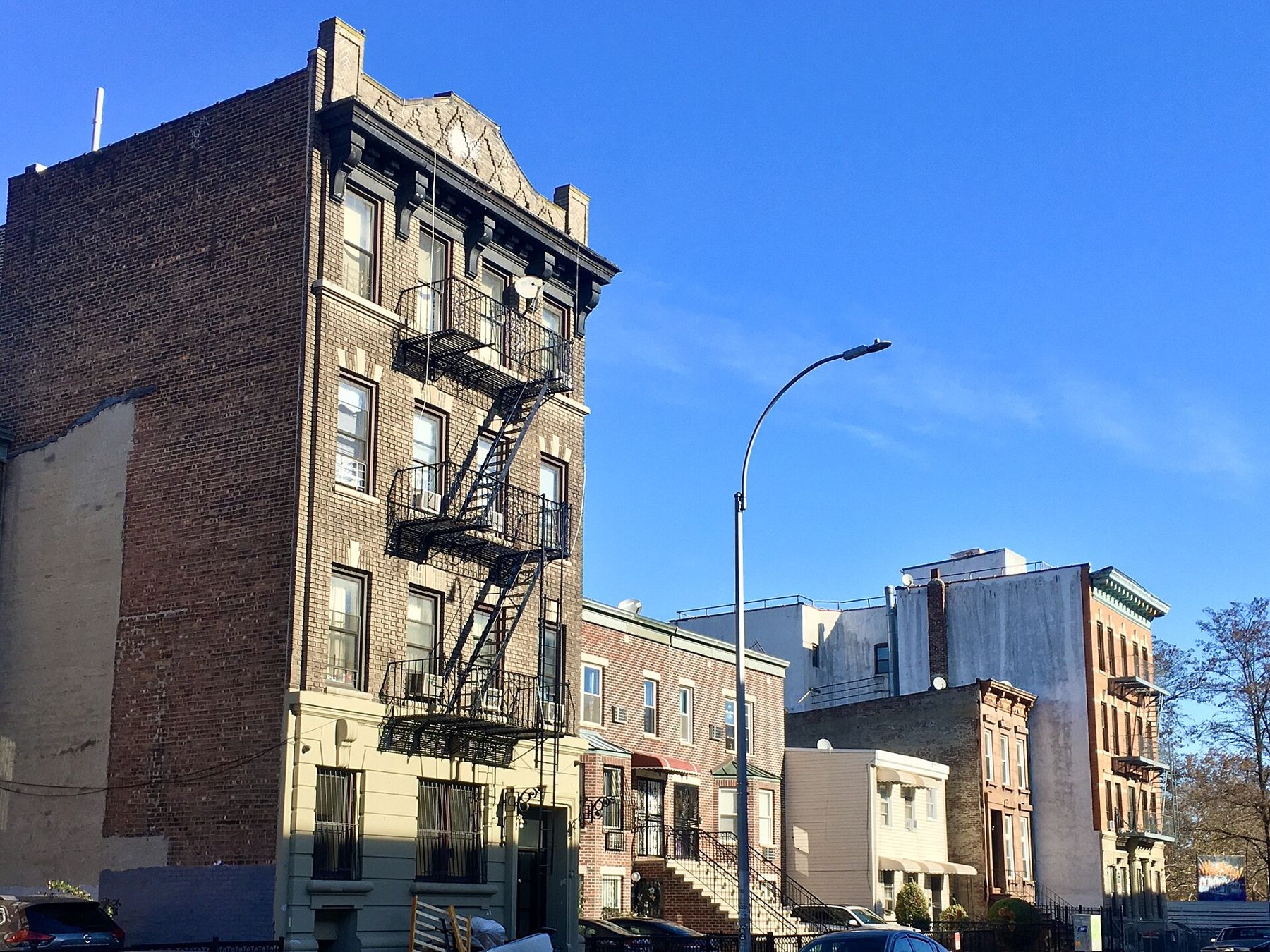
Brooklyn, NY
Want a manager who tracks this for you?
Rent, repairs, filings and deadlines handled, with one clear statement a month.
Photo: Andre Carrotflower, CC BY-SA 4.0