Leasing & tenant law · 10/14/2026
Lawsuit Claims Eliot Spitzer's Real Estate Firm Overcharged Tenants
A lawsuit claims that a real estate firm belonging to Eliot Spitzer overcharged tenants, The New York Times reported. The available material does not say how much was charged, which buildings or tenants are involved, or where the case was filed. These are allegations in a lawsuit, not findings by a court.
 Reported by The New York TimesRead the original ↗

What happened
Tenants at 420 Kent Avenue, an 857-unit luxury rental building in Williamsburg, Brooklyn, have filed a class-action lawsuit against Spitzer Enterprises, the real estate firm of Eliot Spitzer. The New York Times first reported the suit. The Real Deal followed with more detail on October 15, 2026.
According to The Real Deal, the tenants say the company overcharged them on rent-stabilized apartments. The building was developed with the 421a tax break, a program that has since lapsed. The tenants claim that when leases renewed, the company applied increases to the full legal rent instead of the lower preferential rent. They say the 2019 Housing Stability and Tenant Protection Act requires increases to be applied to the preferential rent.
The tenant effort was led by Aaron Carr, founder and executive director of the Housing Rights Initiative, a tenant advocacy nonprofit. Carr estimated the tenants may be owed $30 million. Spitzer said his company plans to "litigate the case hard" and said the complaint seemed to come out of the blue.
The Real Deal also reported that the suit appears to follow a similar approach to a separate class-action case filed two months earlier, which also relied on research from Carr's group. In that case, plaintiffs claim a landlord used "net effective" rents to set high base rents, leading to renewal increases as high as 20 percent, above Rent Guidelines Board caps. That case seeks class status for more than 3,500 tenants.
Key facts
- Address
- 420 Kent Avenue, Williamsburg, Brooklyn
- Units
- 857
- Developer
- Spitzer Enterprises (Eliot Spitzer)
- Tax program
- Built with the 421a tax break, which has since lapsed
- Claim
- Renewal increases applied to full rent instead of preferential rent
- Law cited
- Housing Stability and Tenant Protection Act of 2019
- Estimated overcharges
- About $30 million, per Aaron Carr of Housing Rights Initiative
- Financing
- $386 million refinancing from KKR in 2019, per The Real Deal
What it means
Landlords
Owners of rent-stabilized units with preferential rents should check how renewal increases are calculated. These suits claim that applying increases to the full legal rent instead of the preferential rent can create large overcharge exposure.
Tenants and voucher holders
Tenants in stabilized units who signed with a preferential rent or concessions can compare their renewal increases against their prior rent. If increases were based on a higher legal rent, they may want to ask about an overcharge claim.
Caseworkers
For clients in 421a or other stabilized buildings, reviewing lease riders and renewal history can show whether increases followed the preferential rent. Rent history records can help support or rule out an overcharge question.
Why it matters Landlords
Overcharge suits against a high-profile owner can put more attention on how NYC rents are set and documented.
What to do: Check that your rent records and lease terms are accurate and complete.
Not known yet
- What court the case was filed in and on what date
- How many tenants are in the proposed class
- Whether HCR has received any overcharge complaints about the building
- How Spitzer Enterprises calculated renewal increases and how it will defend them
Background
In New York City, rent-stabilized apartments have a legal regulated rent, and some landlords charge a lower preferential rent. Under the Housing Stability and Tenant Protection Act of 2019, a tenant in place generally keeps the preferential rent for the length of the tenancy, and renewal increases set by the Rent Guidelines Board are applied to that lower rent. Many buildings built with the 421a tax break carry rent-stabilized units. Tenants can raise overcharge claims through New York State Homes and Community Renewal (HCR) or in court.
Also drawn from: Eliot Spitzer’s Williamsburg tenants lodge 421a rent hike lawsuit (The Real Deal · New York)
Summary written by Bulwark from The New York Times’s reporting; the original article was not fully available, so check the source for details. The original story is at nytimes.com. This is general information, not legal advice.
Related
Follow Bulwark on WhatsApp
Deadline countdowns, rule changes, voucher rents and breaking NYC housing news in your WhatsApp Updates. Free.
Send the message that opens, then save our number. WhatsApp only shows updates from saved contacts.
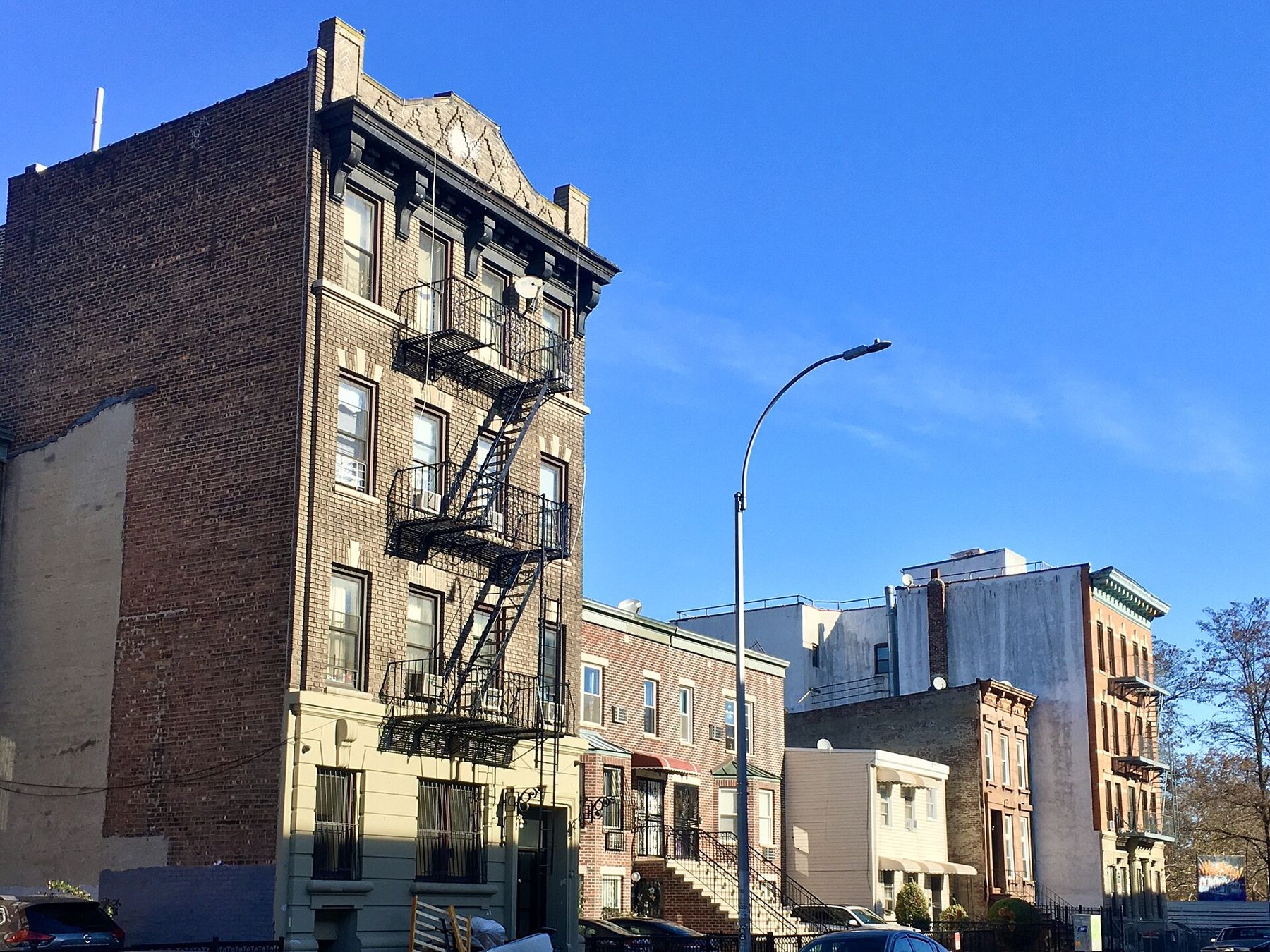
Brooklyn, NY
Questions about what this means for your lease?
We manage and lease buildings across the five boroughs and keep owners on the right side of tenant law.
Photo: Andre Carrotflower, CC BY-SA 4.0