Program housing · 10/31/2026
Formerly homeless navigators help Manhattan street homeless get housed
The Manhattan DA's office runs Neighborhood Navigators, a street outreach program staffed by workers who experienced homelessness or incarceration. Run by nonprofit The Bridge since 2024, it has placed more than 175 people in housing and stays with clients through appointments. Navigators lack access to the DHS outreach database, which advocates say complicates coordination.
 Reported by GothamistRead the original ↗
What happened
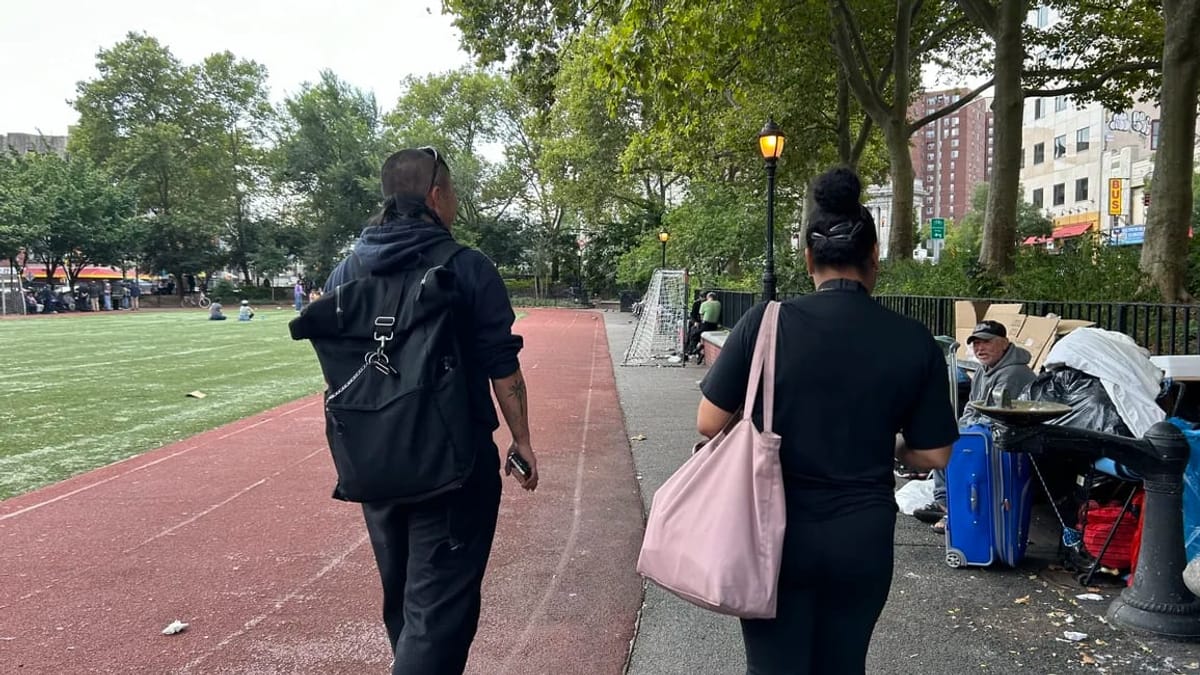
Gothamist reported on 10/31/2026 on the Neighborhood Navigators program, a street outreach effort that hires workers who have experienced homelessness or the criminal justice system. The Manhattan district attorney's office started the program to bring street homeless New Yorkers inside and keep them out of the criminal justice system. The DA's office hired the nonprofit The Bridge to run it in certain neighborhoods in 2024, using forfeiture funds.
More than 175 people have been placed in housing since the program began. The Mamdani administration awarded the program $1.25 million in funding this year as it develops a citywide plan to combat homelessness. Gothamist reported that nearly 5,000 people slept in parks, subway stations or on the street this year, the highest number recorded in more than a decade.
Navigators work in Central and East Harlem, Chinatown and the Lower East Side, Washington Heights and Inwood, and Midtown West, Hell's Kitchen and Chelsea. They spend long stretches with clients, including going with them to appointments, doctor's offices and housing placements. In one case they stayed all day at the city's benefits office to help a 58-year-old Harlem man get his public benefits reinstated. In another, they connected a 67-year-old man in Lower Manhattan to a supportive housing unit in less than three weeks. The Garment District Alliance, a business improvement district, also hired the navigators for outreach in its area.
The program does not have access to the city's database of engagements between outreach workers and homeless people. Only providers contracted by the Department of Homeless Services have that access, which can make collaboration harder. Advocates told Gothamist the city's outreach system can be uncoordinated, and elected leaders are calling for a more streamlined approach.
Key facts
- Program
- Neighborhood Navigators
- Started by
- Manhattan District Attorney's office (DA Alvin Bragg)
- Operator
- Nonprofit The Bridge, hired in 2024
- Original funding source
- DA's office forfeiture funds
- City funding
- $1.25 million awarded by the Mamdani administration this year
- Housing placements
- More than 175 people since 2024
- Neighborhoods
- Central and East Harlem; Chinatown and Lower East Side; Washington Heights and Inwood; Midtown West, Hell's Kitchen and Chelsea
- Street homeless count
- Nearly 5,000 people this year, highest in more than a decade
What it means
Caseworkers
Navigators are not contracted by the Department of Homeless Services and cannot see the city's outreach engagement database. If you share a client with them, expect to coordinate directly by phone rather than through shared records.
Tenants and voucher holders
People living on the street in the listed Manhattan neighborhoods may be approached by navigators, who can help with benefits, treatment and housing placements, including going with them to offices and appointments.
Landlords
The program places people into housing, including supportive housing, and navigators stay involved through the move. Owners working with such placements may find the navigators are an active point of contact during the process.
The highlights
- The Mamdani administration awarded the program $1.25 million this year.
- More than 175 people have been placed in housing since the program began in 2024.
- Nearly 5,000 people slept outside this year, the most recorded in over a decade.
Why it matters Caseworkers
Caseworkers in parts of Manhattan gain a hands-on outreach partner, though it works outside the DHS shared database.
What to do: Contact Neighborhood Navigators if your clients sleep outside in the Manhattan areas it covers.
Not known yet
- How people, landlords or caseworkers can contact or refer someone to the navigators
- Whether the $1.25 million in city funding will expand the program beyond its current Manhattan neighborhoods
- What kinds of housing the more than 175 placements went to and how many people stayed housed
- When the city's citywide homelessness plan will be released
Background
In New York City, street outreach to homeless people is largely run by nonprofits under contract with the Department of Homeless Services, which records contacts with clients in a shared city system. Other groups, such as business improvement districts, district attorneys' offices and hospitals, sometimes fund their own outreach, which can operate outside that system. Placements from the street can lead to shelters, safe havens, treatment programs or supportive housing, which pairs a subsidized apartment with on-site or linked services.
Summary written by Bulwark from Gothamist’s reporting. The original story is at gothamist.com. This is general information, not legal advice.
Related
Follow Bulwark on WhatsApp
Deadline countdowns, rule changes, voucher rents and breaking NYC housing news in your WhatsApp Updates. Free.
Send the message that opens, then save our number. WhatsApp only shows updates from saved contacts.
Brooklyn, NY
Placing a voucher holder, or a unit that takes vouchers?
Caseworkers refer clients at no cost to the tenant. Landlords send the vacancy and we bring a program-ready tenant with the agency packet done.
Photo: Andre Carrotflower, CC BY-SA 4.0