Leasing & tenant law · Owners & management · Deals & development · 11/02/2026
Fannie Mae and Freddie Mac Tighten Loans for Rent-Regulated Buildings
Fannie Mae has toughened underwriting for rent-regulated buildings since Mayor Mamdani's rent freeze passed, and Freddie Mac has paused new loans. Lenders now assume higher expenses and more unpaid rent, so loans are smaller and require more equity. Older, mostly stabilized buildings may struggle to refinance and face foreclosure, while mixed market-rate buildings remain in good shape.
 Reported by The CityRead the original ↗

What happened
The two main government-backed buyers of mortgage loans have changed how they handle New York City's rent-regulated buildings after Mayor Zohran Mamdani's rent freeze, The City reported on 11/02/2026. Multiple real estate sources told the outlet the changes make financing impossible or extremely difficult for many landlords.
Freddie Mac has paused new loans while it assesses the freeze. Fannie Mae, described as the lender of last resort for private rent-regulated buildings, has toughened its underwriting since the freeze passed. Its new requirements assume no rent increases on rent-stabilized units for four to eight years, covering the mayor's current term and a possible second term. Fannie Mae and lenders such as the Community Housing Preservation Corp. also assume expenses rise at least 5% a year.
Lenders are also expecting more unpaid rent. The Community Housing Preservation Corp. has doubled its expected collection loss to 10%. Together, higher expense assumptions and lower expected collections shrink loan amounts. Lenders are also lending a smaller share of property value, so owners must put up more equity. CEO Rafael Cestero said his group will make 50% fewer loans in the city to all-affordable projects than it did two years ago.
Fannie Mae did not respond to The City. Freddie Mac said it continuously reviews market conditions and adjusts its lending. Deputy Mayor for Housing and Planning Leila Bozorg pointed to higher interest rates and to city efforts such as a city-backed insurance program, faster timelines and new financing tools. The City noted that most of these are in planning or early rollout.
Key facts
- Reported by
- The City, 11/02/2026
- Freddie Mac
- Paused new loans on NYC rent-regulated buildings while it assesses the rent freeze
- Fannie Mae rent assumption
- No increases on rent-stabilized units for four to eight years
- Expense assumption
- Expenses rise at least 5% per year
- Expected rent loss
- Community Housing Preservation Corp. doubled its expected collection loss to 10%
- Affordable lending cut
- CHPC plans 50% fewer NYC loans to all-affordable projects than two years ago
- Less affected
- Mixed market-rate and rent-regulated buildings, including newer ones with 20% to 40% below-market units
- City response
- Deputy Mayor for Housing and Planning Leila Bozorg
What it means
Landlords
Owners of older, mostly rent-regulated buildings who need to refinance should expect smaller loans and larger equity requirements, or no Freddie Mac option for now. Buildings already in distress could face foreclosure, according to The City.
Tenants and voucher holders
Some heavily rent-regulated buildings may be taken over by lenders or sold, The City reported. Tenants in those buildings could see a change in ownership or management.
Buyers and owners
Distressed rent-regulated buildings could sell for a fraction of their value. All-affordable buildings built with city help may need larger city subsidies to get financing.
The highlights
- Freddie Mac has paused new loans while it assesses the rent freeze's impact.
- Fannie Mae assumes no rent increases on stabilized units for four to eight years.
- Lenders assume 5% yearly expense growth; one doubled expected rent loss to 10%.
Why it matters Landlords
Owners of mostly rent-stabilized buildings face smaller loans, bigger equity demands and harder refinancing.
What to do: Review your loan maturities and refinancing plans now.
Not known yet
- When or whether Freddie Mac will lift its pause
- Fannie Mae's own account of the changes, since it did not comment
- How many buildings face refinancing deadlines under the new terms
- When the city's proposed financing tools and insurance program will be available
Background
In New York City, rents for rent-stabilized apartments can only rise by the amounts the Rent Guidelines Board approves each year. Lenders size loans largely on a building's expected income minus expenses. When projected rent growth falls or expected costs and losses rise, the loan a building can support usually shrinks, and owners must cover the gap with their own money or subsidies.
Summary written by Bulwark from The City’s reporting. The original story is at thecityreporter.nyc. This is general information, not legal advice.
Related
Follow Bulwark on WhatsApp
Deadline countdowns, rule changes, voucher rents and breaking NYC housing news in your WhatsApp Updates. Free.
Send the message that opens, then save our number. WhatsApp only shows updates from saved contacts.
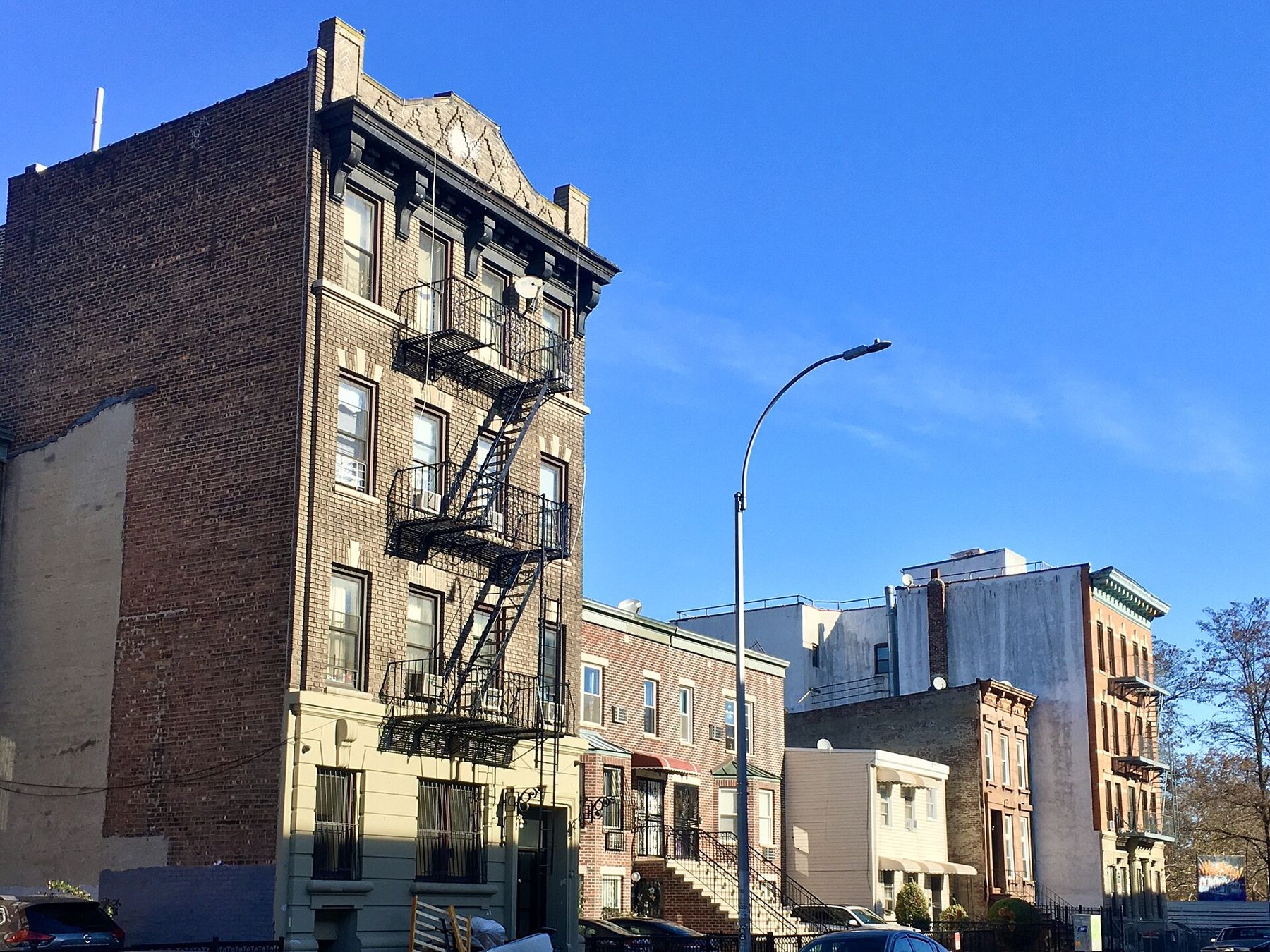
Brooklyn, NY
Questions about what this means for your lease?
We manage and lease buildings across the five boroughs and keep owners on the right side of tenant law.
Photo: Andre Carrotflower, CC BY-SA 4.0