Violations & compliance · 11/04/2026
Local Law 97: Tighter 2030 Carbon Caps Put Building Boards on Notice
Local Law 97 limits carbon emissions in most NYC buildings over 25,000 square feet, and the caps tighten in 2030. Buildings over their limit pay $268 per metric ton each year, and failing to file costs $0.50 per square foot per month. DOB's Good Faith Effort can lower or pause fines, but now requires a PE or RA and documented proof of completed work.
CReported by CooperatorNews New YorkRead the original ↗

What happened
CooperatorNews New York published a guide on 11/04/2026 to complying with Local Law 97 (LL97), the main part of New York City's Climate Mobilization Act. LL97 covers most buildings over 25,000 square feet. It aims to cut emissions 40% by 2030 and reach net zero by 2050. A building's annual emissions are figured by multiplying each fuel's energy use by a carbon coefficient set for that fuel.
Buildings fall under one of two pathways. Many follow Article 320, which sets annual emissions limits. Others, mainly affordable and rent-regulated residential buildings, follow alternative requirements under Article 321. According to the NYC Department of Buildings (DOB), Article 321 buildings face $10,000 fines for a late compliance report and for failing to show compliance through one of its pathways. For buildings not under Article 321, which includes most co-ops and condos, the fine is $268 per metric ton of carbon equivalent over the limit, charged annually. Matt Cebula of AKAM said a separate fine for not filing the annual report is $0.50 per square foot per month. On a 100,000 square foot building, that is $50,000 a month.
Well over 90% of covered buildings filed their first emissions reports successfully. Chris Halfnight of the Urban Green Council said nearly 50% of multifamily buildings already meet their 2030 limits, and almost half are not required to do upgrades until 2035. The second compliance period, 2030 to 2034, brings much tighter caps. Rick Elezi of R.E.M. Residential said DOB and the Department of Finance have no funds to help pay penalties. NYCEEC lends only for energy-efficient projects.
A Good Faith Effort (GFE) option can lower or pause fines for buildings working toward compliance. The article says DOB now requires documented proof of physical completion and operational results, such as construction permits, contract commitments and Con Edison requests. DOB may revoke mitigation status and assess retroactive penalties if a plan is not carried out. A Registered Design Professional (a PE or RA) must file for GFE.
Key facts
- Who is covered
- Most buildings over 25,000 square feet
- Targets
- 40% emissions cut by 2030; net zero by 2050
- Emissions fine (non-Article 321)
- $268 per metric ton of carbon equivalent over the limit, annually
- Non-filing fine
- $0.50 per square foot per month, per AKAM's Matt Cebula
- Article 321 fines
- $10,000 for late compliance report and for failing to demonstrate compliance, per DOB
- Agency
- NYC Department of Buildings (DOB)
- Data portal
- DOB's BEAM portal, nyc.beam-portal.org
- Next compliance period
- 2030 to 2034, with significantly tighter caps
What it means
Landlords
If you own a building over 25,000 square feet, check on the BEAM portal whether Article 320 or 321 applies and file the annual report on time. The non-filing fine can cost more than the emissions fine itself.
Buyers and owners
Co-op and condo boards should review their first emissions reports and verify the gross floor area used. The article says to plan funding for any upgrades well before the 2030 caps tighten, since city agencies do not help pay fines.
Tenants and voucher holders
Affordable and rent-regulated residential buildings generally follow the separate Article 321 pathway. The article does not say how compliance costs affect tenants.
The highlights
- Missing the annual LL97 report costs $0.50 per square foot per month.
- Emissions over the limit are fined $268 per metric ton of carbon equivalent each year.
- Nearly 50% of multifamily buildings already meet their 2030 limits.
Why it matters Landlords
Owners of large buildings face annual fines starting in 2030 unless they file on time and plan upgrades now.
What to do: Check your building's LL97 pathway and filing status on the DOB BEAM portal.
Not known yet
- Whether compliance costs or fines can be passed on to tenants in rent-regulated buildings
- Exact filing deadlines for the next annual LL97 reports
- How long DOB takes to approve or revoke Good Faith Effort status
- What share of affordable Article 321 buildings have filed or complied
Background
In New York City, the Department of Buildings oversees building filing requirements such as energy and emissions reports and issues penalties when owners miss them. Owners usually rely on licensed engineers or architects to prepare technical filings. Penalties stay on the property's record until resolved, so missed filings can add up over time and affect refinancing or sales.
Summary written by Bulwark from CooperatorNews New York’s reporting. The original story is at cooperatornews.com. This is general information, not legal advice.
Related
Follow Bulwark on WhatsApp
Deadline countdowns, rule changes, voucher rents and breaking NYC housing news in your WhatsApp Updates. Free.
Send the message that opens, then save our number. WhatsApp only shows updates from saved contacts.
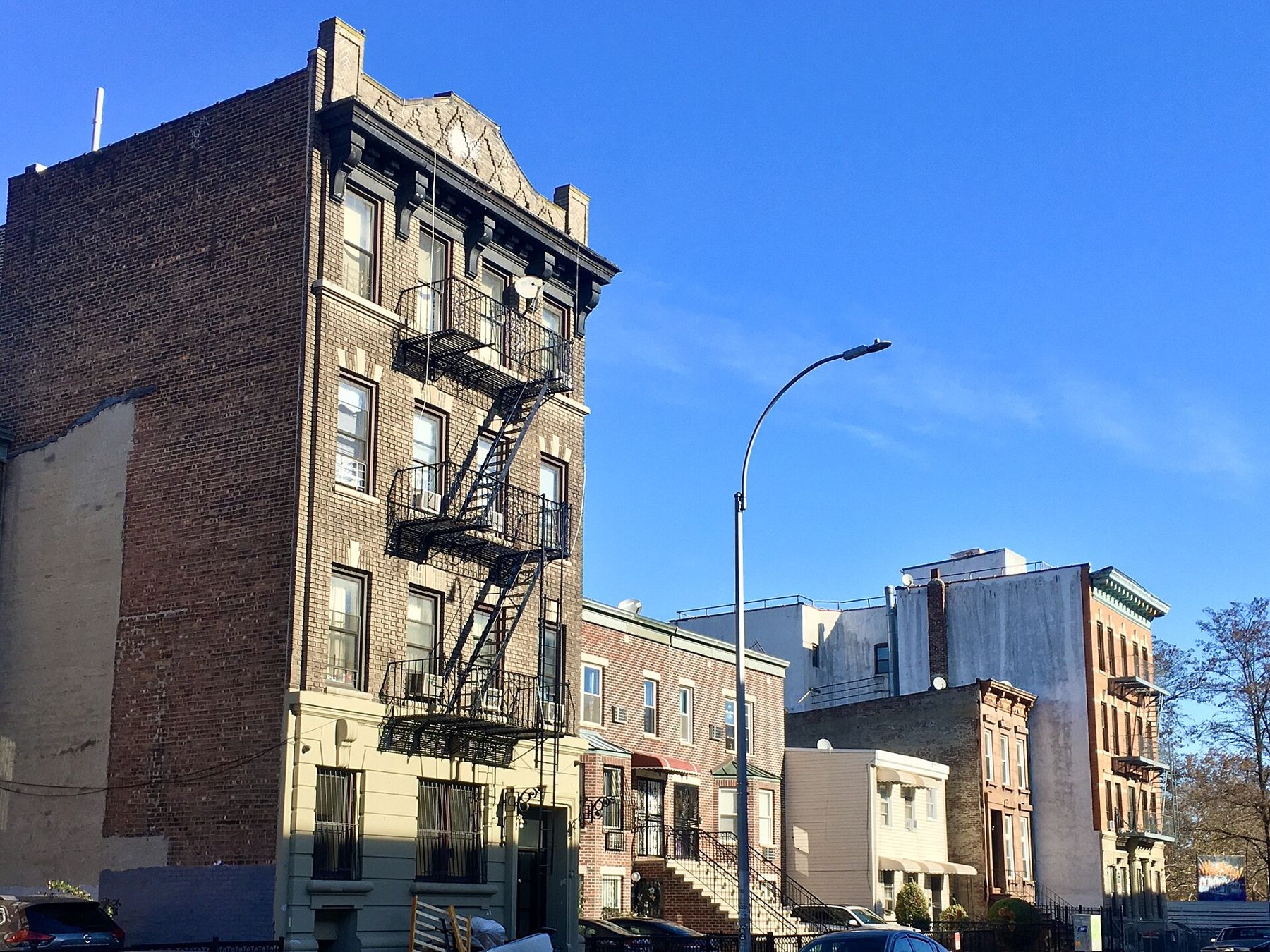
Brooklyn, NY
Does this touch your building?
Run a free violation report on any NYC address: HPD, DOB and OATH records, balances and hearing dates.
Photo: Andre Carrotflower, CC BY-SA 4.0