Program housing · 11/04/2026
CityFHEPS paperwork and inspections keep shelter families waiting for months
Shelter families with CityFHEPS vouchers wait an average of 236 days to move in, city officials say. Small inspection failures, like a missing screw or wrong hot water temperature, and mismatched details in a 70 to 100 page application can restart the process. DSS says returned applications have dropped, and an accelerated inspection pilot is set to expand next year.
FReported by ForumDaily New YorkRead the original ↗
What happened
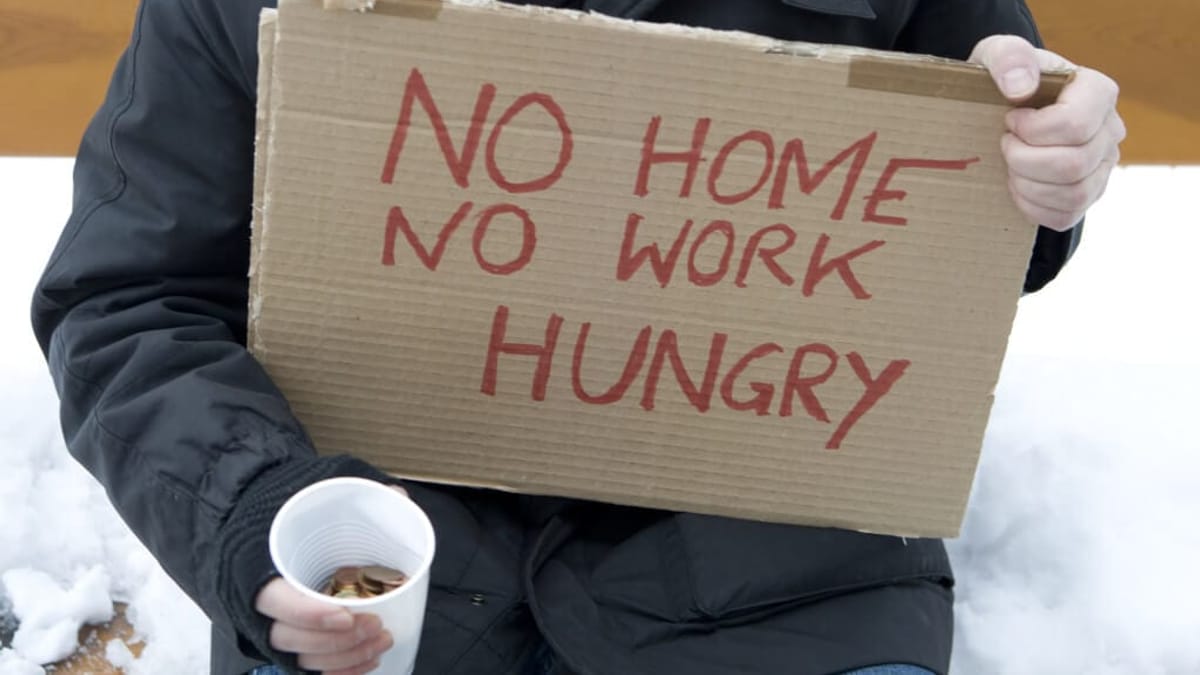
ForumDaily New York reported on 11/05/2026, citing Gothamist, that families in New York City shelters often wait months to move out even after they qualify for a CityFHEPS housing voucher. The delays come from screening, heavy paperwork and strict apartment inspections. Before final approval, the city requires a package of roughly 70 to 100 pages of documents and forms. A typo, such as an apartment listed as 1A in one document and A1 in another, can force a family to resubmit the whole application.
A city official identified in the article as Commissioner Erin Dalton said that once a person is found eligible, it takes an average of 236 days, nearly eight months, to move into an apartment. City officials blame a shortage of affordable housing and a vacancy rate of 1.4%. About 14,200 people in shelters are currently eligible for a voucher and can search for an apartment. CityFHEPS serves more than 74,000 families. Voucher holders pay no more than 30% of their income in rent, and the city covers the rest.
The Mamdani administration says it has cut red tape. Department of Social Services spokesman Nicholas Giacobelli said the share of shelter residents' applications returned for revision fell from 94% to 58%. He also said the number of applications returned before final approval has more than halved. Earlier this year the administration announced plans to improve the $1.2 billion program and save $500 million by cutting fees to brokers and landlords. The city also started checking whether voucher rents were inflated. According to Jade Vasquez of WIN, that review raised average review time from 2 days to 53. The city later moved the rent check to after move-in, but only for rent-regulated apartments. Homeless advocates say moves into market-rate units are still delayed.
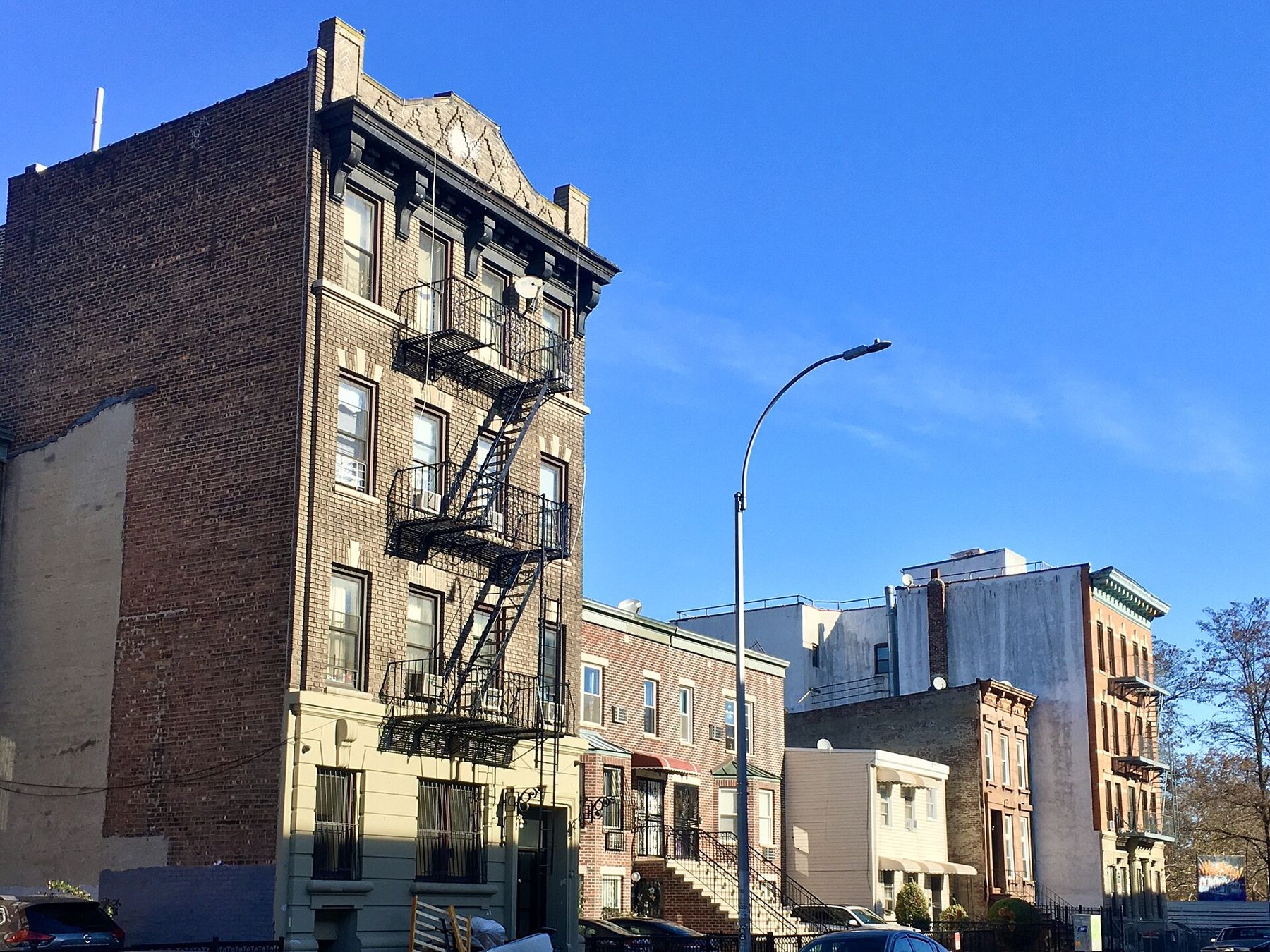
Inspections draw the most complaints. Nonprofit partners conduct them, and the Department of Social Services handles more complex cases, using a strict checklist. Common failures include hot water outside 49 to 53°C (about 120 to 127°F), faulty or ungrounded outlets, missing or mislabeled apartment numbers, improperly installed window guards and fasteners, and wrong refrigerator or freezer temperatures. In one Brooklyn case, an apartment failed for a third time because a window fastener had one screw instead of two. The city says it has launched a pilot for faster inspections and plans to expand it next year.
Key facts
- Program
- CityFHEPS, a city housing voucher serving more than 74,000 families
- Tenant share
- No more than 30% of income; the city pays the rest
- Average wait
- 236 days from voucher eligibility to move-in
- Eligible in shelter
- About 14,200 people eligible and searching
- Paperwork
- About 70 to 100 pages before final approval
- Returned applications
- Fell from 94% to 58%, per DSS
- Program cost
- $1.2 billion; planned savings of $500 million from cutting broker and landlord fees
- Income change rule
- A change of more than $125 a month during the process requires new pay stubs and a budget recalculation
What it means
Landlords
Expect strict inspections on small items such as hot water temperature, outlet grounding, unit number labels, window guards and fasteners, and fridge temperatures. Fixing these before inspection can prevent weeks of vacancy. Market-rate units may still face a rent review before move-in.
Tenants and voucher holders
Make sure the apartment number and other details match exactly across every document. Report income changes, since a change of more than $125 a month means resubmitting pay stubs.
Caseworkers
Check packages for consistency before submitting, because one mismatch can restart the application. Track income shifts for clients who work part time or pick up extra shifts.
The highlights
- Families wait an average of 236 days from voucher eligibility to move-in.
- The city says shelter applications sent back for revision fell from 94% to 58%.
- A 1A vs. A1 typo can force a resubmission of the 70 to 100 page package.
Why it matters Landlords
Landlords who prep units to the inspection checklist and keep paperwork details identical can avoid repeat failures and long vacancies.
What to do: Check hot water, outlets, smoke detectors, window guards and unit numbers before a CityFHEPS inspection.
Not known yet
- When the faster inspection pilot will expand and who will be included
- Whether the post-move-in rent check will be extended to market-rate apartments
- How much the planned cuts to broker and landlord fees will be for each lease
- How the city defines an inflated rent in its review
Background
CityFHEPS is a rental assistance voucher run by the city's Department of Social Services, which includes HRA and the Department of Homeless Services. In general, a household must be found eligible, find a unit within the program's rent limits, have the unit pass inspection, and submit a lease and supporting documents for approval before moving in. The city then pays its share of rent directly to the landlord.
Summary written by Bulwark from ForumDaily New York’s reporting. The original story is at newyork.forumdaily.com. This is general information, not legal advice.
Related
Follow Bulwark on WhatsApp
Deadline countdowns, rule changes, voucher rents and breaking NYC housing news in your WhatsApp Updates. Free.
Send the message that opens, then save our number. WhatsApp only shows updates from saved contacts.
Brooklyn, NY
Placing a voucher holder, or a unit that takes vouchers?
Caseworkers refer clients at no cost to the tenant. Landlords send the vacancy and we bring a program-ready tenant with the agency packet done.
Photo: Andre Carrotflower, CC BY-SA 4.0