Leasing & tenant law · Owners & management · Deals & development · 11/03/2026
Post: Rent freeze is tightening loans for rent-regulated buildings
A New York Post editorial says Mayor Zohran Mamdani's rent freeze is drying up financing for distressed rent-regulated buildings, including those run by nonprofits. Citing news reports, it says lenders now want buildings with a large share of market-rate units. The Post warns of less maintenance and more foreclosures. This is an opinion piece, not a new policy or rule.
 Reported by New York PostRead the original ↗
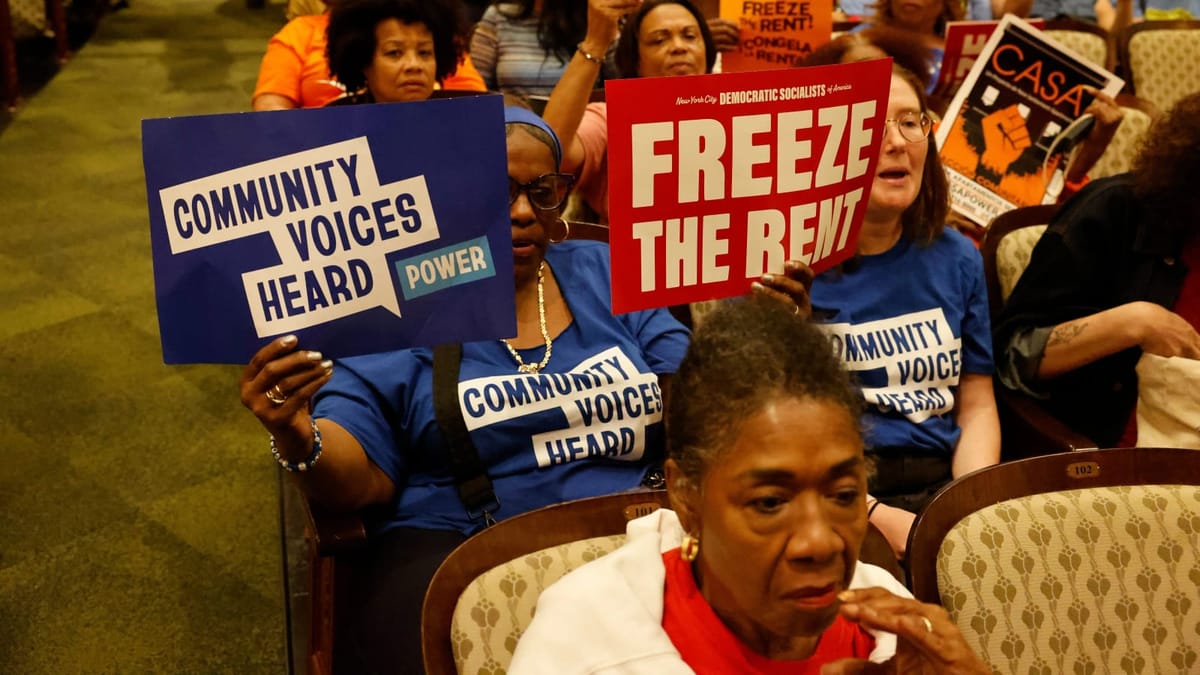
What happened
Government-backed lenders have tightened mortgage rules for New York City's rent-regulated buildings after the rent freeze under Mayor Zohran Mamdani. The City reported on 11/02/2026 that Fannie Mae has toughened its underwriting standards since the freeze passed in June, and that Freddie Mac has paused new loans while it assesses the impact. The City's sources were real estate figures, many of whom spoke only on condition they not be named.
According to The City, Fannie Mae's new requirements assume no rent increases on rent-stabilized units for four to eight years. Fannie Mae and lenders like the Community Preservation Corp. also assume expenses rise at least 5% a year. As a result, loans are smaller and require more equity. CPC CEO Rafael Cestero said his group will make 50% fewer loans in New York City to all-affordable projects than it did two years ago.
The City reported that two kinds of buildings face the most risk. The first is older, almost entirely rent-regulated buildings already in financial distress, which may struggle to refinance and could face foreclosure. The second is all-affordable buildings built with city help, which will need larger city subsidies to get financing. Buildings that mix in market-rate units remain in better shape. Fannie Mae did not comment. Freddie Mac said it continuously reviews market conditions.
The New York Post ran an opinion piece on 11/03/2026 citing The City's reporting. The Post argued the freeze will mean less maintenance, more foreclosures and higher market-rate rents. It quoted the New York State Tenant Bloc saying in July that the Mayor's Housing Plan directs $2.2 billion to taking housing off landlords' hands.
Key facts
- Policy
- Rent freeze under Mayor Zohran Mamdani, passed in June 2026
- Rent Guidelines Board meeting
- 06/25/2026, per a New York Post photo caption
- Fannie Mae
- Toughened underwriting for rent-regulated buildings since the freeze, per The City
- Freddie Mac
- Paused new loans while it assesses the freeze, per The City
- Underwriting assumptions
- No rent increases on stabilized units for 4 to 8 years; expenses rising at least 5% a year
- Community Preservation Corp.
- Will make 50% fewer NYC loans to all-affordable projects than two years ago
- City housing plan figure
- $2.2 billion, as cited by the New York State Tenant Bloc
- Reporting dates
- The City 11/02/2026; New York Post 11/03/2026
What it means
Landlords
Owners of buildings that are mostly or fully rent-stabilized may find refinancing much harder, with smaller loans and higher equity requirements. Owners already in financial distress face a higher risk of foreclosure, according to The City's sources.
Buyers and owners
Lenders are underwriting rent-regulated buildings as if stabilized rents will stay flat for four to eight years while costs rise at least 5% a year. That lowers how much can be borrowed against these buildings. Buildings with market-rate units are less affected.
Tenants and voucher holders
The New York Post argues that tighter financing will mean less maintenance in rent-regulated buildings. The material does not give evidence of specific buildings where this has happened.
The highlights
- Fannie Mae, Freddie Mac and nonprofit lenders are tightening standards, the Post says.
- Buildings that are 100% rent-regulated are hit hardest, lacking market-rate units.
- A tenant group says the Mayor's Housing Plan directs $2.2 billion to take over housing.
Why it matters Landlords
Owners of fully rent-regulated buildings may face stricter terms when refinancing or seeking repair loans.
What to do: Check your loan terms and talk to your lender early if a refinance is coming up.
Not known yet
- Exactly what Fannie Mae's new terms are, since it did not comment
- How long Freddie Mac's pause on new loans will last
- How many buildings face refinancing deadlines or foreclosure risk
- The full response from the Mamdani administration, which is cut off in the material
Background
In New York City, the Rent Guidelines Board votes each year on the maximum rent increases allowed for one-year and two-year leases in rent-stabilized apartments. Market-rate apartments are not covered by these limits. Lenders generally size loans on a building's expected rental income and operating costs, so limits on future rent growth can reduce how much an owner can borrow.
Also drawn from: Government-Backed Lenders Tighten Mortgage Rules in Response to Mamdani’s Rent Freeze (The City)
Summary written by Bulwark from New York Post’s reporting. The original story is at nypost.com. This is general information, not legal advice.
Related
Follow Bulwark on WhatsApp
Deadline countdowns, rule changes, voucher rents and breaking NYC housing news in your WhatsApp Updates. Free.
Send the message that opens, then save our number. WhatsApp only shows updates from saved contacts.
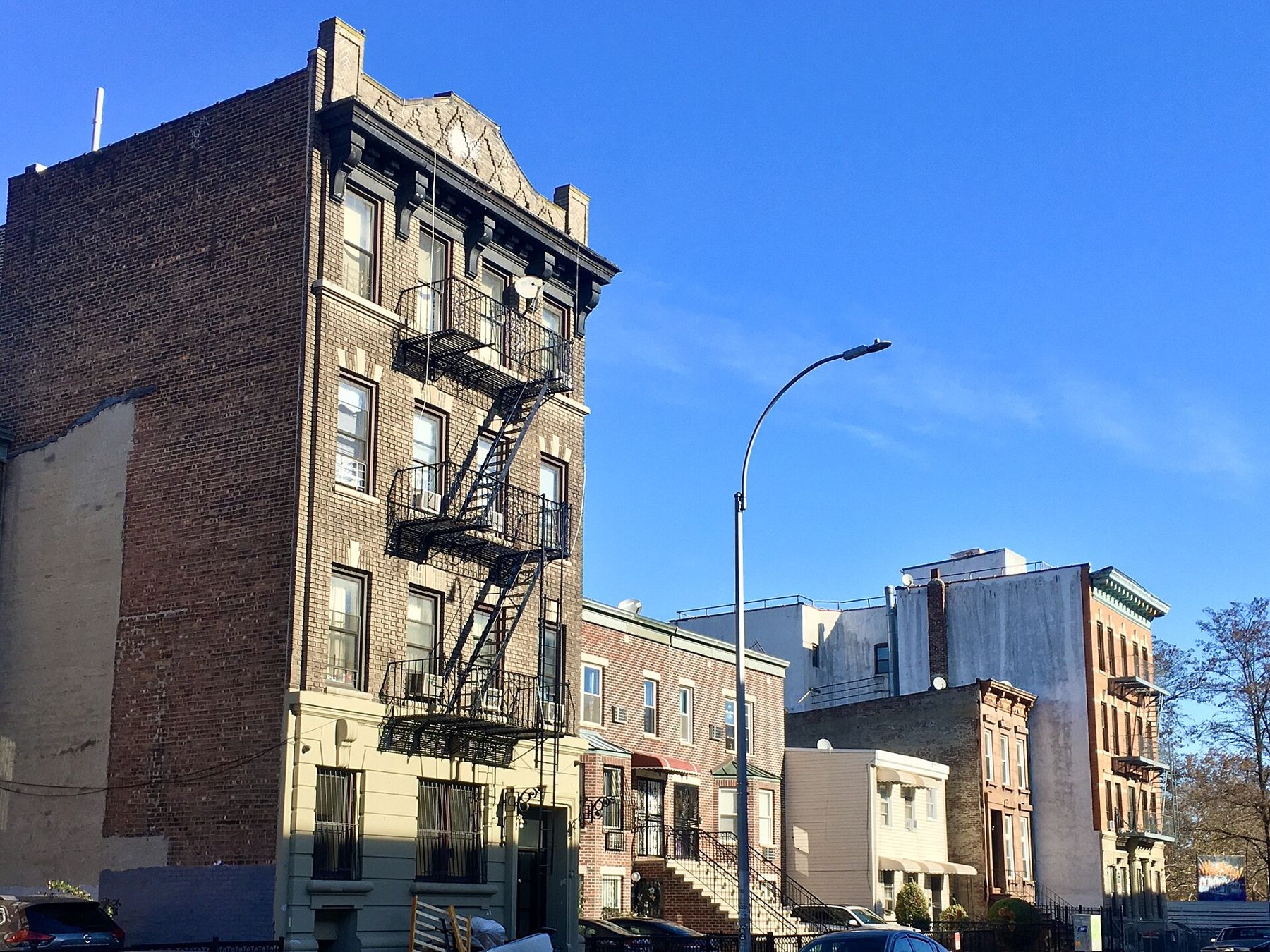
Brooklyn, NY
Questions about what this means for your lease?
We manage and lease buildings across the five boroughs and keep owners on the right side of tenant law.
Photo: Andre Carrotflower, CC BY-SA 4.0