Owners & management · Deals & development · 11/04/2026
Litigation financing may be driving up NY building insurance costs
A report from Enterprise Community Partners says insurance claims in New York cost far more than in other states. It points to third-party litigation financing, where investors fund injury lawsuits for a cut of the payout. Enterprise says this activity is a symptom of New York rules like the Scaffold Law, which make big payouts likely.
 Reported by The Real Deal · New YorkRead the original ↗

What happened
The Real Deal published a newsletter item on 11/04/2026 asking whether third-party litigation financing is raising insurance costs for New York apartment buildings. The piece notes that owners of affordable and rent-stabilized buildings often name insurance as a major expense, and that property and liability insurance is a big factor pushing up costs in New York multifamily housing.
The item draws on a new report from Enterprise Community Partners, a nonprofit lender. In that report, an affordable housing operator that works in 33 states, and was not named, shared its claims data. Its average insurance claim in other states is $20,600. In New York it is $105,000, about five times higher.
Enterprise points to third-party litigation financing as part of the problem. In this practice, hedge funds and institutional investors give money to personal injury or other liability plaintiffs and take a share of any payout. The Real Deal cites New York Times reporting from this summer that some of these investments are being pooled into a new class of securities. National claims administrator Sedgwick said New York had more than 70 percent of the third-party financed cases it analyzed. Patrick Boyle of Enterprise said this financing is likely a symptom of the same factors that make New York claims high, including the Scaffold Law, which holds owners absolutely liable for certain gravity-related incidents.
The same newsletter noted a report in The City Reporter, published on a Monday and attributed to real estate sources, that Freddie Mac paused new loans to New York City rent-stabilized properties. Bill Pulte, director of the Federal Housing Finance Agency, posted a Freddie Mac response on X saying the firm continues to quote and lend on those properties. The Real Deal said the accuracy of that report is also being argued in letters to the court in New York's rent freeze lawsuit.
Key facts
- Published
- 11/04/2026, The Real Deal
- Source report
- Enterprise Community Partners, a nonprofit lender
- Average claim, other states
- $20,600 (one unnamed operator active in 33 states)
- Average claim, New York
- $105,000, about five times higher
- Share of financed cases
- More than 70 percent of third-party financed cases Sedgwick analyzed were in New York
- Law cited
- Scaffold Law, which holds owners absolutely liable for certain gravity-related incidents
- Enterprise spokesperson
- Patrick Boyle, senior director of policy and communications
- Freddie Mac
- Reported pause on new rent-stabilized loans; Freddie Mac says it still quotes and lends on those properties
What it means
Landlords
Small owners of rent-stabilized or affordable buildings should expect liability insurance to remain a major and rising cost. The report suggests large claims in New York, not just premiums, are driving that cost.
Buyers and owners
Anyone buying or refinancing a rent-stabilized building should check insurance quotes and claims history early. Reports about lender pullbacks, which Freddie Mac disputes, are a reason to confirm financing terms directly with lenders.
Tenants and voucher holders
Higher insurance costs add pressure on building budgets, which owners often raise in debates over rents and repairs. The material does not say how this affects any specific rent or building.
The highlights
- One operator's average NY claim is $105,000 vs. $20,600 in other states.
- Sedgwick found over 70% of third-party financed cases it analyzed were in NY.
- Enterprise links high claims to the Scaffold Law's absolute owner liability.
Why it matters Landlords
Rising liability claims push up insurance premiums, a major expense for affordable and rent-stabilized buildings in NYC.
What to do: Review your liability coverage and site safety practices before your next renewal.
Not known yet
- The name of the operator whose claims data Enterprise used, and how many claims it covers
- How many cases Sedgwick analyzed and over what period
- Whether any state or city policy change is proposed to address litigation financing or the Scaffold Law
- Whether Freddie Mac's lending to rent-stabilized buildings has actually changed
Background
In New York City, rent-stabilized rent increases are set each year by the Rent Guidelines Board, so owners cannot pass rising costs like insurance directly to tenants outside those limits. Building insurance usually combines property coverage with liability coverage for injuries on site. Liability claims tied to construction and repair work in New York often involve the state's Scaffold Law, which places strict liability on owners and contractors for certain falls and falling-object injuries.
Summary written by Bulwark from The Real Deal · New York’s reporting. The original story is at therealdeal.com. This is general information, not legal advice.
Related
Follow Bulwark on WhatsApp
Deadline countdowns, rule changes, voucher rents and breaking NYC housing news in your WhatsApp Updates. Free.
Send the message that opens, then save our number. WhatsApp only shows updates from saved contacts.
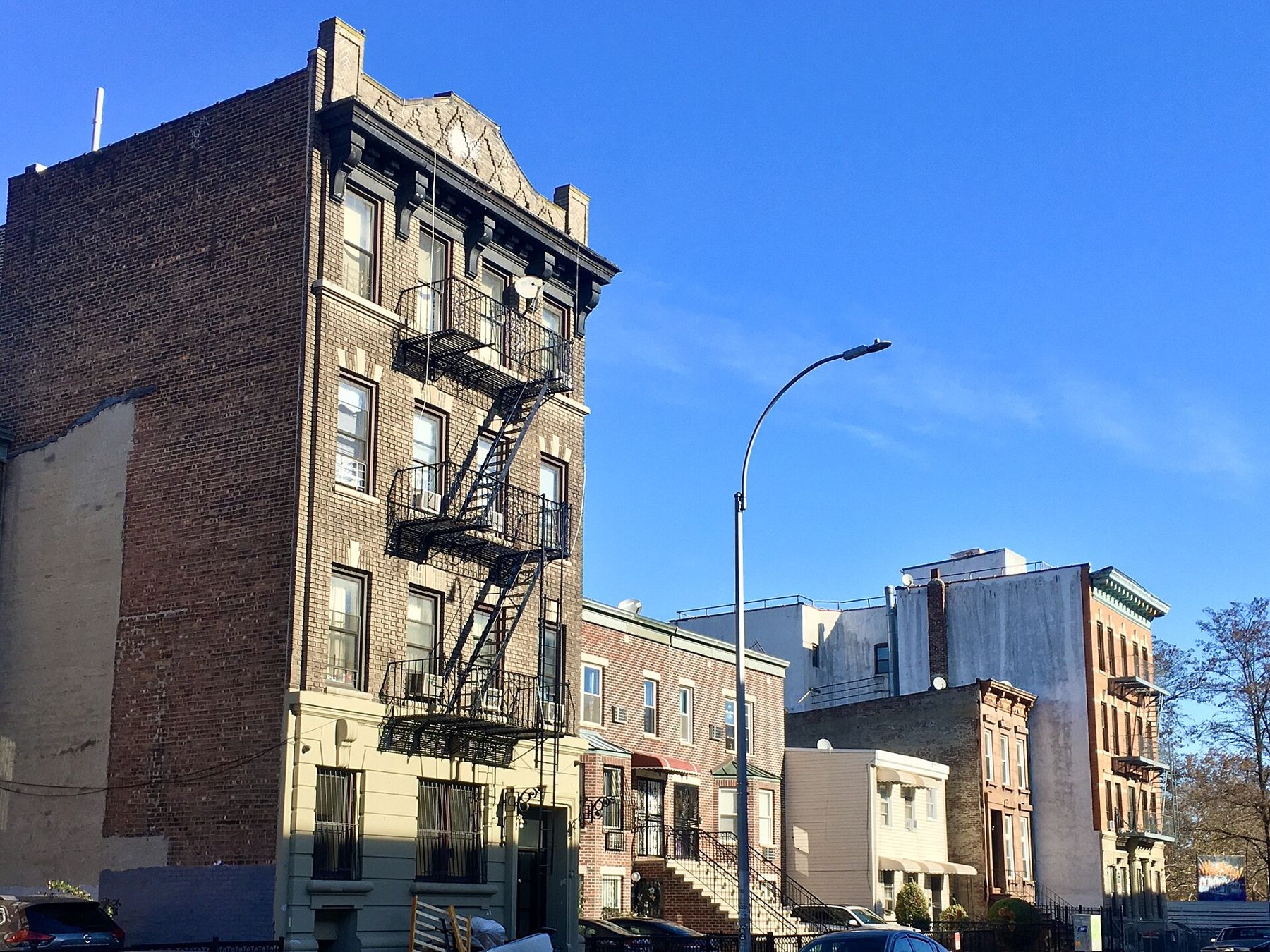
Brooklyn, NY
Want a manager who tracks this for you?
Rent, repairs, filings and deadlines handled, with one clear statement a month.
Photo: Andre Carrotflower, CC BY-SA 4.0