Owners & management · Deals & development · 11/04/2026
Rangel Houses Lands $669M Rehab Financing, Including $219M Fannie Mae Loan
Genesis Companies closed $669 million to rehab Rangel Houses, a 984-unit NYCHA complex in Upper Manhattan. Berkadia provided $219 million in Fannie Mae-backed debt, NYCHA and HDC added $214 million, and tax credit equity added $94.5 million. The deal blends RAD and Section 18 programs to renovate apartments and shared spaces. All units serve households at or below 80% of AMI.
 Reported by Commercial ObserverRead the original ↗
What happened
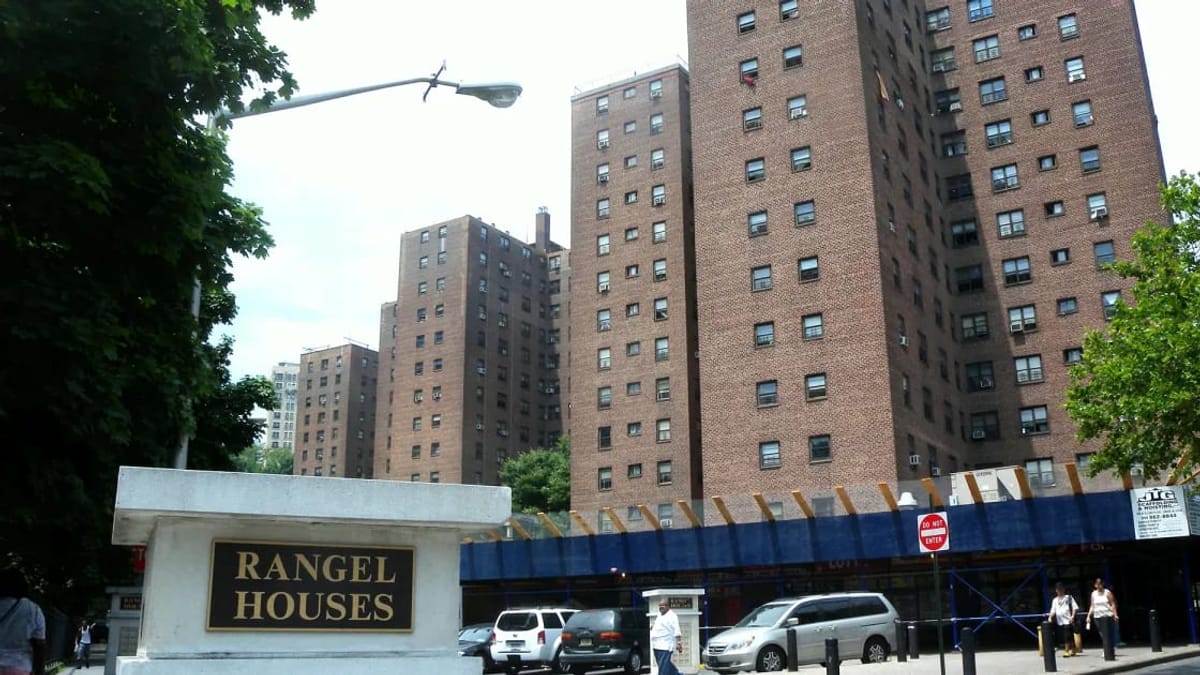
Genesis Companies has secured $669 million in financing to rehabilitate Rangel Houses, a 984-unit NYCHA public housing complex at 159-16 Harlem River Drive in Upper Manhattan. Commercial Observer first reported the deal on 11/04/2026.
Berkadia provided $219 million in first-mortgage debt backed by Fannie Mae. The loan has a 15-year term, with five years of interest-only payments. NYCHA and the New York City Housing Development Corporation (HDC) provided $214 million in development financing. Another $94.5 million came through federal and state tax credit equity. Goldman Sachs made a tax credit investment of an undisclosed amount. Berkadia's Matthew Baptiste and Heather Olson arranged the financing.
According to the article, the financing is expected to blend Rental Assistance Demonstration (RAD) debt with Section 18 programs. All units hold residents earning at or below 80 percent of the area median income.
Rangel Houses opened in 1951 as an 11-acre campus. It has eight high-rise elevator buildings and more than 1,800 residents. Karim Hutson, president and CEO of Genesis Companies, said the firm plans comprehensive renovations to nearly 1,000 apartments. The complex also includes playgrounds, commercial space, a senior center, a day care center and a youth center.
Key facts
- Address
- 159-16 Harlem River Drive, Upper Manhattan
- Units
- 984 apartments in eight high-rise elevator buildings, more than 1,800 residents
- Total financing
- $669 million
- First mortgage
- $219 million from Berkadia, backed by Fannie Mae, 15-year term with five years interest-only
- Public financing
- $214 million in development financing from NYCHA and HDC
- Tax credit equity
- $94.5 million in federal and state tax credit equity, plus an undisclosed Goldman Sachs tax credit investment
- Income limits
- All units hold residents earning at or below 80 percent of area median income
- Developer
- Genesis Companies, led by president and CEO Karim Hutson
What it means
Tenants and voucher holders
Rangel Houses residents can expect renovation work across nearly 1,000 apartments and shared facilities. The article does not say whether rents, leases or management will change, so residents should get those answers from NYCHA directly.
Caseworkers
Clients living at Rangel Houses may have questions about construction, temporary moves or changes tied to RAD and Section 18. Point them to NYCHA and keep copies of their current lease and income records on file.
Landlords
This deal shows how large public housing rehabs combine agency debt, city financing and tax credits. It has no direct effect on private rental buildings.
The highlights
- NYCHA and HDC provided $214M in development financing for the 984-unit complex.
- Berkadia's loan has a 15-year term with five years of interest-only payments.
- Built in 1951 at 159-16 Harlem River Drive, the campus houses over 1,800 residents.
Why it matters
It shows how NYCHA is using RAD and Section 18 deals to fund major repairs, a model that affects many public housing residents.
Not known yet
- When renovation work will start and how long it will take
- Whether residents will need to relocate temporarily during the work
- Whether resident rents or lease terms will change under the RAD and Section 18 structure
- How the rest of the $669 million is made up, since the article itemizes only $219 million, $214 million and $94.5 million
Background
NYCHA has turned to federal tools such as the Rental Assistance Demonstration (RAD) and Section 18 to fund repairs at aging developments. In these deals, a private development partner typically takes on renovation and management while NYCHA keeps a role in ownership. Financing is usually layered from several sources, including agency-backed mortgages, HDC loans and tax credit equity. Residents in NYCHA conversion programs generally keep rent tied to household income and retain certain tenant protections, but the specific terms depend on the program and the deal.
Summary written by Bulwark from Commercial Observer’s reporting. The original story is at commercialobserver.com. This is general information, not legal advice.
Related
Follow Bulwark on WhatsApp
Deadline countdowns, rule changes, voucher rents and breaking NYC housing news in your WhatsApp Updates. Free.
Send the message that opens, then save our number. WhatsApp only shows updates from saved contacts.
Brooklyn, NY
Want a manager who tracks this for you?
Rent, repairs, filings and deadlines handled, with one clear statement a month.
Photo: Andre Carrotflower, CC BY-SA 4.0