Leasing & tenant law · Owners & management · 11/10/2026
NYC Apartment Door and Lock Rules: What Owners Must Install
A locksmith's guide published on Brick Underground outlines NYC door and lock rules under the Housing Maintenance Code and the Multiple Dwelling Law. Double-cylinder deadbolts are not allowed. Entry doors in buildings with 3 or more units must self-close. Buildings built or converted after 01/01/1968 need self-locking entrances, and those with 8 or more units need a working intercom.
 Reported by Brick UndergroundRead the original ↗
What happened
On 11/10/2026, Brick Underground published a guide to New York City apartment door and lock rules. The piece was written by Mr. Locks, a Manhattan locksmith company, and it ends with an ad for the company's services. It lays out what hardware landlords must install, what tenants may add, and how the city treats self-closing doors.
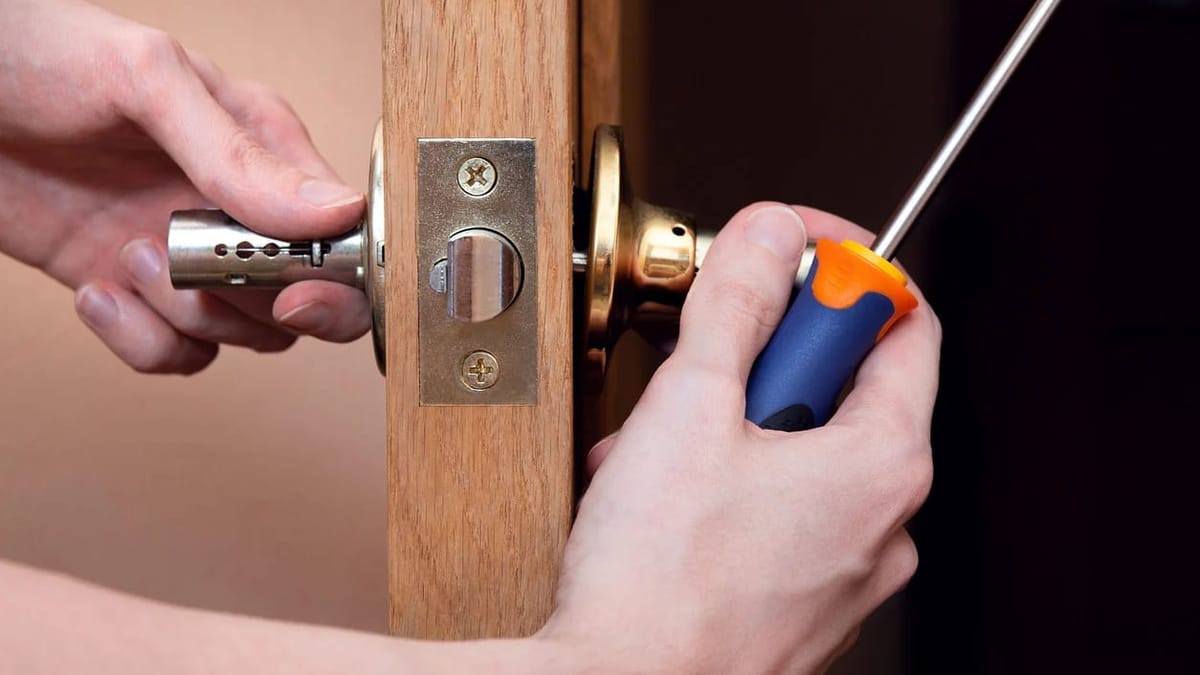
The guide says that under NYC Housing Maintenance Code § 27-2043 and § 27-2041, owners of Class A multiple dwellings must put five items on every apartment entrance door. These are a key-operated lock with at least one key given to the tenant at move-in, a heavy-duty latch set, a heavy-duty deadbolt that uses a key outside and a thumb-turn inside, a chain door guard or slide-bar latch, and an eye-level peephole. It says double-cylinder deadbolts, which need a key to open from the inside, are illegal on residential apartment doors. It lists exceptions to the peephole rule for dorms, hotels, apartment hotels, and owner-occupied one- and two-family homes.
On fire safety, the guide says every apartment entry door and hallway fire door in buildings with 3 or more apartments must close and latch on its own. It says Local Law 71 created inspection programs in which HPD inspectors randomly check doors in hundreds of buildings each year. It also says HPD treats a defective self-closing door as a Class C, immediately hazardous, violation.
For building entrances, the guide cites Multiple Dwelling Law § 50-a. It says Class A buildings built or converted after 01/01/1968 need self-closing, self-locking doors at main, courtyard and cellar entrances, and that buildings with 8 or more units need a working two-way intercom. Under Multiple Dwelling Law § 51-c, it says tenants may install one extra lock of their own but must give the landlord or managing agent a duplicate key on request.
Key facts
- Date
- Published on Brick Underground on 11/10/2026, written by locksmith firm Mr. Locks
- Required door hardware
- Key lock with at least one key, heavy-duty latch set, deadbolt (key outside, thumb-turn inside), chain guard, peephole (HMC § 27-2043, § 27-2041)
- Banned hardware
- Double-cylinder deadbolts on residential apartment doors
- Self-closing doors
- Required on apartment entry doors and hallway fire doors in buildings with 3 or more apartments
- Violation class
- Defective self-closing door is an HPD Class C immediately hazardous violation
- Inspections
- Local Law 71 created HPD random door inspection programs, per the guide
- Entrances and intercom
- Self-closing, self-locking entrances for Class A buildings built or converted after 01/01/1968; two-way intercom in buildings with 8 or more units (MDL § 50-a)
- Tenant extra lock
- Tenants may add one lock but must give a duplicate key to the landlord on request (MDL § 51-c)
What it means
Landlords
Check every entrance door for the five required items, swap out any double-cylinder deadbolt, and test that each door closes and latches by itself. The guide says a broken closer is a Class C violation, so door closers should be part of routine maintenance.
Tenants and voucher holders
You can ask for a missing peephole, chain guard or deadbolt, and you can add one lock of your own. If you add a lock, the guide says you must give the landlord a copy of the key when asked.
Caseworkers
When doing move-in walkthroughs, a quick check of the door hardware and the self-closer can catch problems before a client signs a lease.
The highlights
- Each entry door needs a key lock, latch, deadbolt, chain guard and peephole.
- HPD treats a defective self-closing door as a Class C immediately hazardous violation.
- Tenants may add one extra lock but must give the landlord a duplicate key on request.
Why it matters Landlords
Missing door hardware or a broken closer can bring HPD violations, so owners should check every unit door before an inspection does.
What to do: Test every apartment entry door to confirm it closes and latches on its own.
Not known yet
- Fine amounts and correction deadlines for door and lock violations
- How HPD picks buildings for the Local Law 71 door inspections
- What the guide says about roof door rules, which was cut off in the text
- Whether the rules differ for buildings not classed as Class A multiple dwellings
Background
HPD enforces the Housing Maintenance Code by inspecting apartments, often after tenant complaints made through 311. Its inspectors sort violations into classes A, B and C by severity. Class C covers immediately hazardous conditions and carries the shortest time to fix. Owners must correct violations and certify the repair, and open violations stay on a building's public record until they are cleared.
Summary written by Bulwark from Brick Underground’s reporting. The original story is at brickunderground.com. This is general information, not legal advice.
Related
Follow Bulwark on WhatsApp
Deadline countdowns, rule changes, voucher rents and breaking NYC housing news in your WhatsApp Updates. Free.
Send the message that opens, then save our number. WhatsApp only shows updates from saved contacts.
Brooklyn, NY
Questions about what this means for your lease?
We manage and lease buildings across the five boroughs and keep owners on the right side of tenant law.
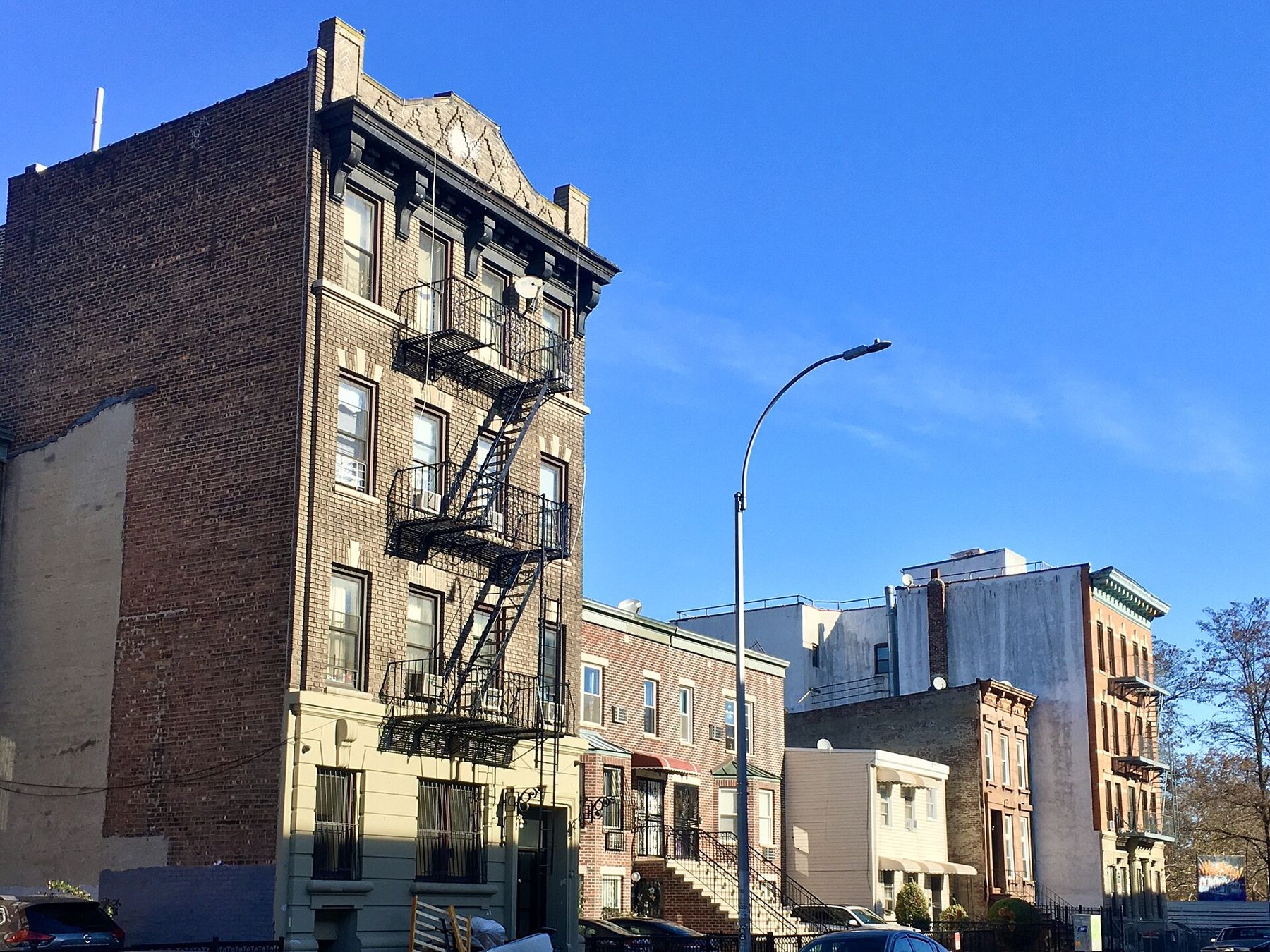
Photo: Andre Carrotflower, CC BY-SA 4.0