Leasing & tenant law · 11/11/2026, 9:30 AM
When NYC landlords can legally evict rent-stabilized tenants
A Brick Underground advice column explains that rent-stabilized tenants in New York City can only be evicted under specific circumstances. Examples include using the apartment as a non-primary residence and illegal subletting. The full column covers other situations that could lead to an eviction.
 Reported by Brick UndergroundRead the original ↗

What happened
Brick Underground published an "Ask Altagracia" column on 11/11/2026 explaining when landlords in New York City can evict rent-stabilized tenants. The answers come from Altagracia Pierre-Outerbridge, an attorney and founder of Outerbridge Law P.C., which represents tenants, condo owners and landlords. The column lists six grounds: non-primary residence, lease violation, nuisance, nonpayment of rent, landlord occupation and demolition.
Nonpayment is the most common reason landlords pursue eviction, according to Pierre-Outerbridge. Tenants may withhold rent as leverage over repairs or lease issues, or they may be unable to pay. Some landlords agree to payment plans, and social services may help in some cases. A tenant who misses a payment plan or a payment set by a housing court judge may give the landlord grounds to evict. On primary residence, the column says tenants must live in the unit at least six months of the year under the rent stabilization code. Tenants accused of non-primary residence would need proof such as bank or credit card statements showing local purchases, or employment records. There are exceptions for caring for sick family members, job travel or medical issues. Pierre-Outerbridge said these cases have dropped since vacancy deregulation was repealed, because landlords have less financial incentive
Lease and law violations can still lead to eviction. Examples include illegal subletting, short-term rentals such as Airbnb, refusing the landlord access for maintenance, or keeping a pet the lease forbids. Illegal activity such as drug dealing or an unlicensed business can move into nuisance territory. Courts generally treat nuisances as ongoing problems, not one-off violations, and may let a tenant cure some issues, such as clutter that attracts pests, before ordering them out.
For demolition or gut renovation, the column says a landlord must show the financial ability to complete the project and city approval. These cases go to the state Division of Housing and Community Renewal (DHCR), not housing court. Tenants are entitled to stipends if the plan moves forward and may also negotiate a buyout. For owner use, 2019 rent reforms require a landlord to show "immediate and compelling necessity" to take back a single apartment, a standard Pierre-Outerbridge called "quite strict." She advises tenants served with a notice to seek a lawyer, since many cases can be resolved at the notice stage and some notices carry deadlines.
Key facts
- Outlet
- Brick Underground, "Ask Altagracia" column
- Date
- 11/11/2026
- Grounds listed
- Non-primary residence, lease violation, nuisance, nonpayment of rent, landlord occupation, demolition
- Primary residence rule
- Tenant must live in the unit at least six months of the year, per the rent stabilization code
- Owner use standard
- Since 2019 reforms, landlord must show "immediate and compelling necessity" for a single apartment
- Demolition forum
- Division of Housing and Community Renewal (DHCR), not housing court
- Demolition requirements
- Proof of financial ability to complete the project and city approval; tenants entitled to stipends
- Source
- Altagracia Pierre-Outerbridge, Outerbridge Law P.C., 15 years litigating in Supreme Court, DHCR and Housing Court
What it means
Landlords
Eviction of a rent-stabilized tenant must rest on a specific ground such as nonpayment, non-primary residence, a lease violation or nuisance. Owner-use cases now face a strict "immediate and compelling necessity" test, and demolition cases run through DHCR with proof of funding and city approval.
Tenants and voucher holders
Tenants accused of non-primary residence should keep records such as bank or card statements and employment records showing they live in the unit. Anyone served a notice should get legal advice quickly, since some notices have deadlines and many cases settle before court.
Caseworkers
In nonpayment cases, the column notes that social services may help with payments and that missing a payment plan or court-ordered payment can give the landlord grounds to evict. Tracking payment plan terms closely matters for clients.
The highlights
- Not using the apartment as a primary residence can be grounds for eviction.
- Illegal subletting is another listed ground for evicting a stabilized tenant.
Why it matters Landlords
Owners of stabilized units need a recognized legal ground to evict, so knowing the allowed reasons helps avoid failed cases.
What to do: Check the specific eviction grounds before taking action against a stabilized tenant.
Not known yet
- What notice periods and deadlines apply to each type of eviction notice
- How much the stipends for tenants in demolition cases are
- How long a DHCR demolition proceeding typically takes
- Which specific social services programs may help with rent arrears
Background
Rent stabilization in New York City is a state-regulated system overseen by the Division of Housing and Community Renewal, which handles rent overcharge complaints, rent histories and certain owner applications. Most eviction cases, including nonpayment and holdover cases, are heard in Housing Court, part of the New York City Civil Court. The city's Right to Counsel program provides free legal representation to income-eligible tenants facing eviction in Housing Court.
Summary written by Bulwark from Brick Underground’s reporting; the original article was not fully available, so check the source for details. The original story is at brickunderground.com. This is general information, not legal advice.
Related
Follow Bulwark on WhatsApp
Deadline countdowns, rule changes, voucher rents and breaking NYC housing news in your WhatsApp Updates. Free.
Send the message that opens, then save our number. WhatsApp only shows updates from saved contacts.
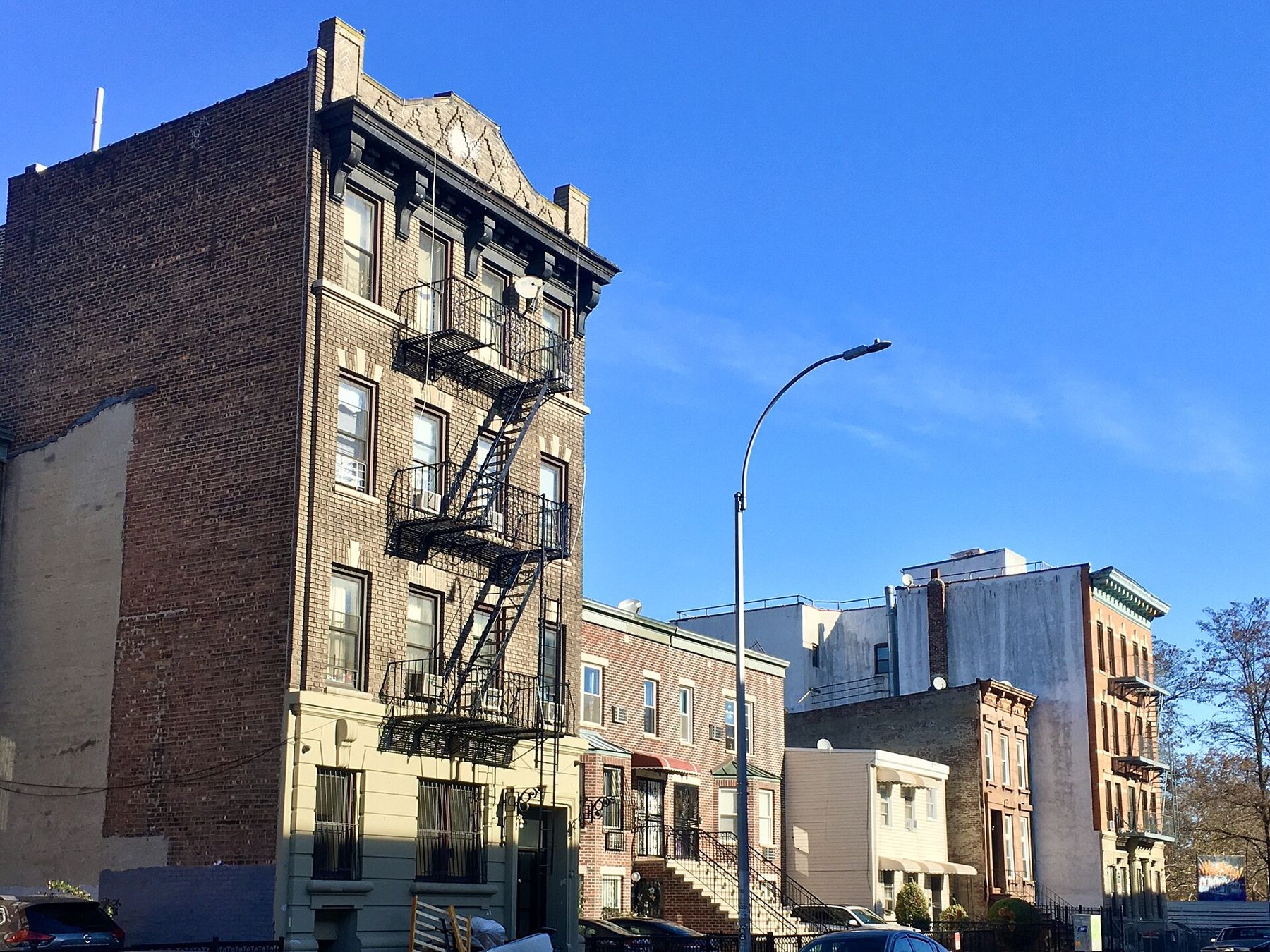
Brooklyn, NY
Questions about what this means for your lease?
We manage and lease buildings across the five boroughs and keep owners on the right side of tenant law.
Photo: Andre Carrotflower, CC BY-SA 4.0